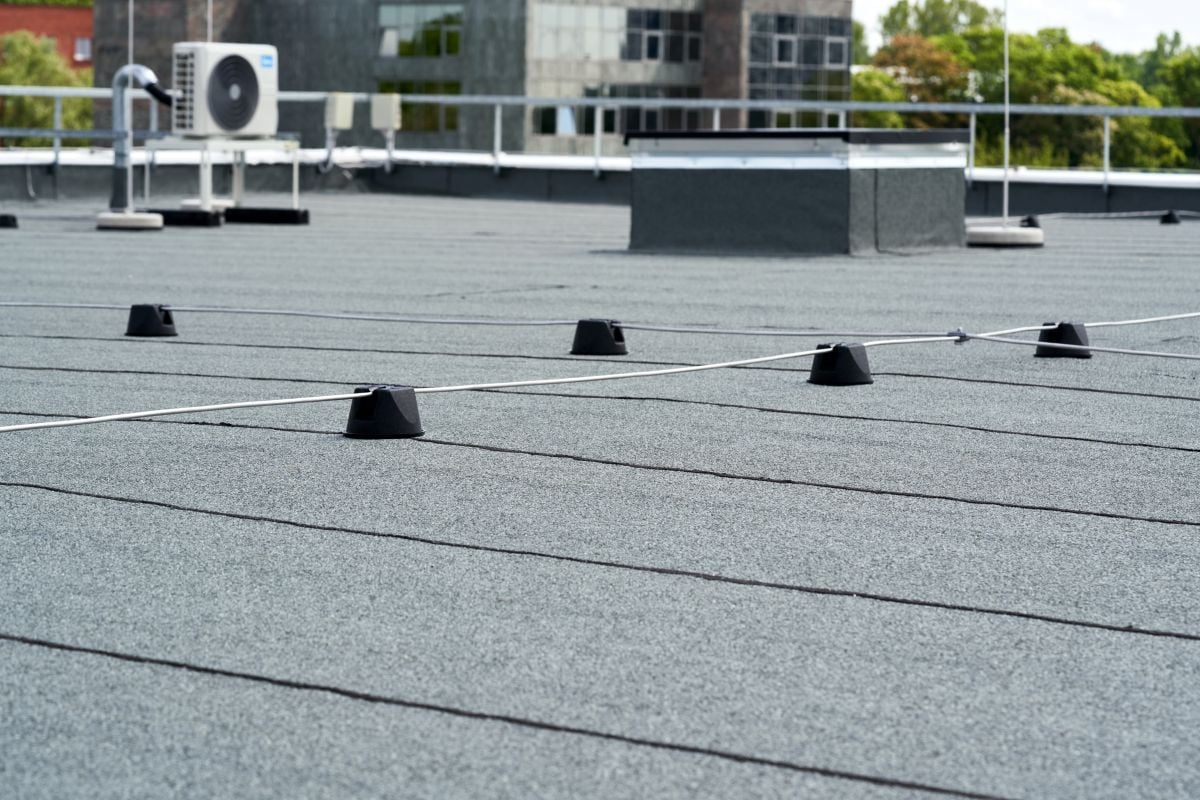
What Is a Modified Bitumen Roofing System? (7 Pros & Cons)
Puetz Construction | 8 Minute Read
When it comes to protecting your property, the roofing material you choose makes all the difference. A modified bitumen roofing system has become one of the most reliable and dependable roofing materials available for flat and low-slope roofs on both residential and commercial buildings. If you have been exploring options for a new roof or a replacement, understanding what this system is made of, how it performs across seasons, and where it fits among other flat roofing solutions can save you from costly mistakes. Working with experienced roofing specialists who understand flat and commercial applications gives you a significant advantage from the start.
What you’ll learn:
- What a modified bitumen roofing system is and how it compares to built up roofing systems
- The two primary types of modified bitumen and how they perform differently
- Seven key pros and cons every property owner should know before deciding
- How modified bitumen holds up in cold weather and against heat absorption
- How it compares to other flat roofing options like TPO and EPDM
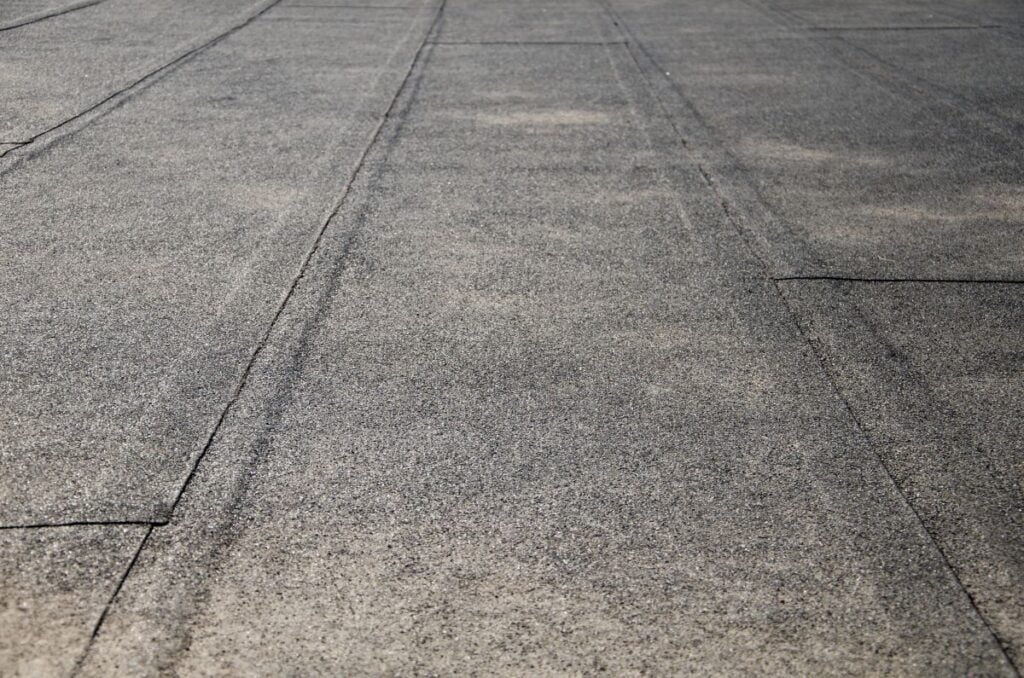
Why Modified Bitumen Works for Flat Roofs
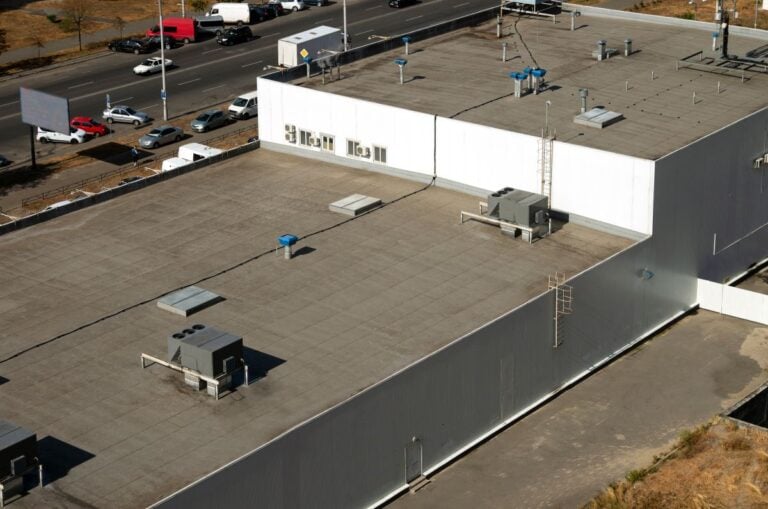
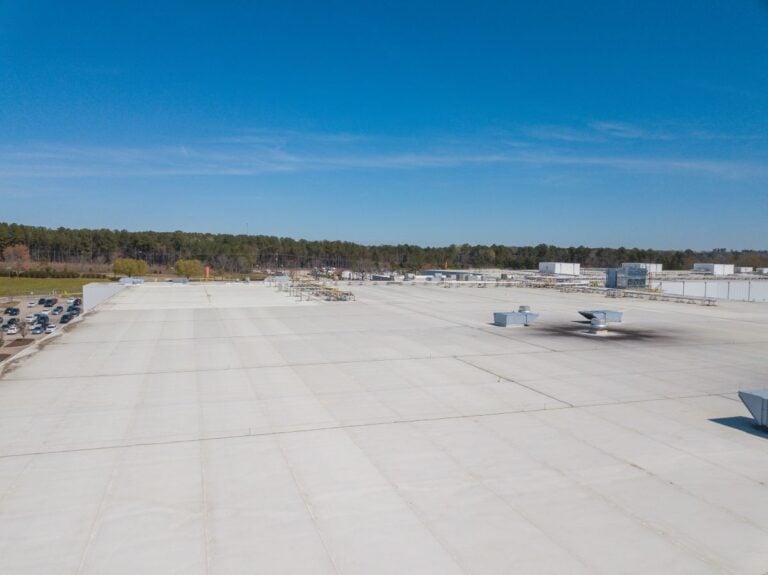
For property owners in Eau Claire and surrounding areas, flat and low-slope roofs face challenges that steep-slope systems simply do not, including snow loads, standing water, and extreme temperature swings. Modified bitumen was designed for exactly these conditions, and it has earned its reputation as one of the most dependable roofing materials for low-slope applications.
Here is why it consistently outperforms in these environments:
- Cold weather flexibility: SBS membranes stay pliable well below freezing, resisting the cracking and seam separation that cold weather causes in less flexible materials.
- Heat absorption management: APP membranes and reflective granule surfaces reduce heat absorption on sun-exposed rooftops, lowering surface temperatures and cutting cooling costs.
- Layered protection over the roof structure: Multiple plies mean the roof structure stays protected even if one layer is compromised, providing built-in redundancy.
- Proven on commercial and industrial buildings: With over 50 years of real-world use on commercial and industrial buildings, the performance data behind this material is substantial.
- Straightforward repairs: Unlike some single-ply options, modified bitumen damage is easy to identify and patch, keeping long-term maintenance costs predictable.
Choosing a system that matches your climate and building type is one of the most important decisions you will make as a property owner. In Eau Claire and surrounding areas, where temperature extremes are a seasonal reality, that cold weather durability is a genuine necessity, not just a feature.
What Is a Modified Bitumen Roofing System?
Modified bitumen is an asphalt-based roofing membrane enhanced with polymer modifiers to improve flexibility, strength, and weather resistance. It evolved directly from traditional built up roofing systems, which layer multiple plies of felt and hot asphalt to create a waterproof surface. Where built up roofing systems rely on thickness for durability, modified bitumen achieves similar or superior performance through chemistry, producing a more flexible membrane that still delivers the multi-layer protection contractors and property owners have depended on for decades.
There are two main types: APP (atactic polypropylene) and SBS (styrene-butadiene-styrene). APP membranes handle high temperatures well and resist heat absorption from prolonged sun exposure, while SBS membranes stay pliable in cold weather and hold up through freeze-thaw cycles. Both are installed in layers over the roof structure, creating a continuous waterproof barrier against moisture, wind, and temperature extremes. Modified bitumen is widely used on commercial and industrial buildings because of its proven track record, but it performs equally well on residential flat roofs and low-slope additions.
7 Pros and Cons of a Modified Bitumen Roofing System
Before committing to any roofing material, it helps to see both sides clearly. Here is an honest breakdown of what modified bitumen delivers and where it falls short.
1. Pro: Outstanding Durability
Reinforced with fiberglass or polyester matting, modified bitumen membranes resist tearing, punctures, and the mechanical stress of thermal expansion. This is a key reason it remains a preferred choice on commercial and industrial buildings where rooftop equipment and foot traffic are common.
- Handles foot traffic and rooftop HVAC equipment without failing
- Reinforced layers resist wind uplift and storm damage
- Service life of 20 or more years with proper maintenance
2. Pro: Superior Waterproofing
Modified bitumen creates a nearly seamless barrier over the entire roof structure. Seams are heat-fused during installation rather than just overlapped, dramatically reducing water infiltration risk even under standing water.
- Fused seams eliminate the most common moisture entry points
- Multi-ply application adds redundant waterproofing across the roof structure
- Performs reliably through heavy rain and freeze-thaw cycles
3. Pro: Cold Weather Performance
SBS-modified membranes remain flexible and stable in cold weather that causes other materials to crack or delaminate, making modified bitumen one of the most dependable roofing materials for Midwest climates.
- Stays pliable at temperatures well below freezing
- Resists seam separation during cold weather freeze-thaw cycles
- Maintains adhesion and integrity throughout harsh winters
4. Pro: Effective Heat Absorption Management
APP membranes and granule-surfaced products manage heat absorption more effectively than bare membrane alternatives, reducing thermal stress on the roof structure and lowering interior cooling loads.
- Granule surfaces reflect solar radiation and reduce heat absorption
- Lower rooftop temperatures extend membrane life and reduce energy costs
- Protects the roof structure from repeated thermal expansion stress
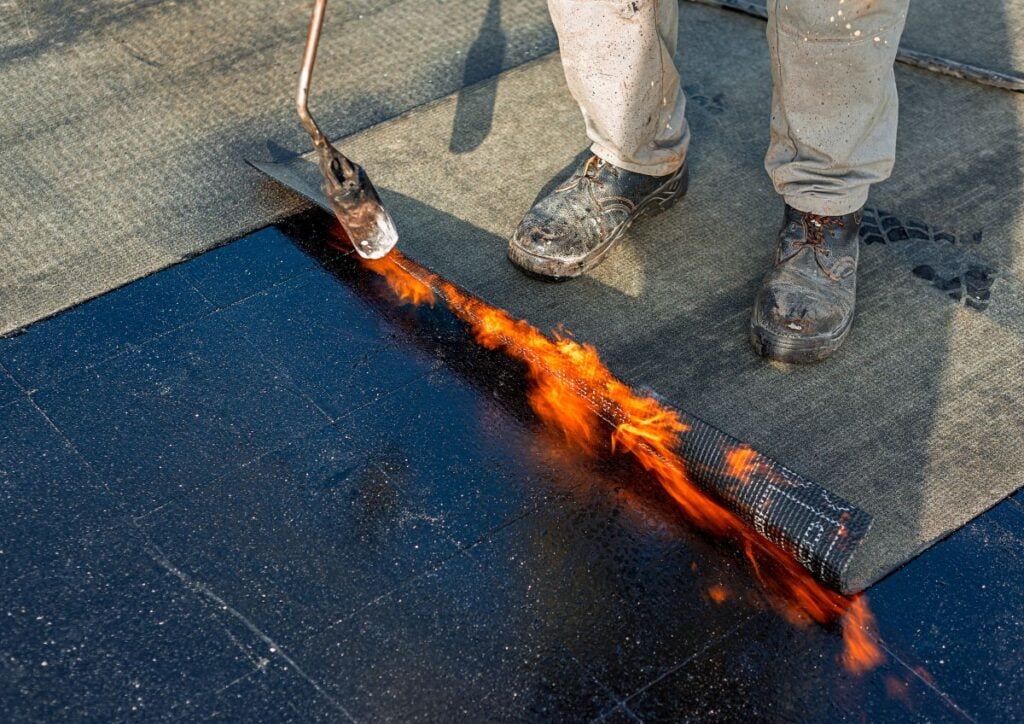
5. Con: Torch Application Fire Risk
Torch-down installation involves an open flame, which introduces real fire risk when the installer is not properly trained and certified. Improper torching can ignite insulation, wood decking, or nearby combustibles.
- Requires certified installers with proper training and equipment
- Not permitted in all jurisdictions or near certain building materials
- Poor workmanship here is one of the leading causes of early roof failure
6. Con: Seam Integrity Depends on Installation Quality
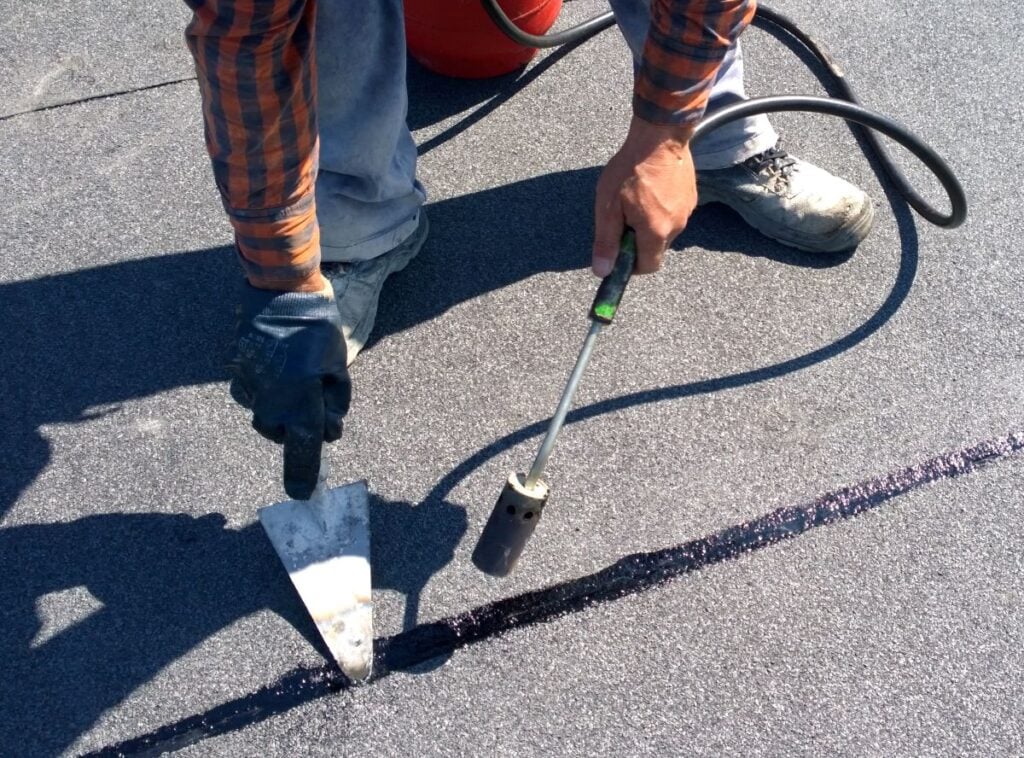
Seams are modified bitumen’s greatest strength when done correctly and its most common failure point when done poorly. Inadequately fused seams can separate over time, allowing water into the roof structure before damage becomes visible.
- Seam quality is directly tied to installer skill
- Annual inspections are essential to catch separation early
- Improper installation significantly shortens effective roof life
7. Con: Not Suited for Steep Slopes
Modified bitumen is engineered exclusively for flat and low-slope roof structures with a pitch of 2:12 or less. On steeper surfaces, adhesive failure and membrane slippage occur. Other dependable roofing materials like architectural shingles or metal are the right choice for pitched roofs.
- Designed only for flat and low-slope roof structures
- Sloped applications lead to adhesive and membrane failure
- Not a substitute for materials built for pitched roofs
Understanding these seven points puts you in a much stronger position to evaluate proposals and choose the right system for your building and budget.
How Modified Bitumen Is Installed
Installation quality is the biggest factor in how long a modified bitumen roof performs. Even the best material fails prematurely when applied over a poorly prepared roof structure or by an installer who cuts corners on seam bonding. There are three primary methods in use today.
Torch-Down Application
The installer uses a propane torch to heat the underside of the membrane, melting the bitumen and bonding it firmly to the substrate. This creates extremely strong, heat-welded seams and is the preferred method for most commercial and industrial buildings and larger residential projects. It requires certified installers and strict fire safety protocols.
Cold-Process Adhesive
Solvent-based or water-based adhesives replace the open flame, eliminating fire risk entirely. This method is preferred near rooftop mechanical systems, in occupied buildings, or where torch application is restricted, though it requires longer cure times and thorough surface preparation.
Self-Adhering Membranes
Peel-and-stick sheets bond directly to the prepared substrate without heat or adhesive mixing. This is the fastest method and works well for smaller residential projects and base ply applications, though cold weather can compromise adhesion below 40 degrees Fahrenheit.
Regardless of method, the roof structure must be clean, dry, and structurally sound before any membrane goes down. Skipping this step is one of the most common causes of premature failure, and it is a clear sign of a contractor not doing the job right.
Modified Bitumen vs. Other Flat Roofing Options
Property owners in Eau Claire and surrounding areas often compare modified bitumen to TPO and EPDM when evaluating flat roofing options. Modified bitumen outperforms EPDM in puncture resistance and foot traffic durability, which matters on rooftops with regular maintenance access. Compared to TPO, it offers a familiar multi-layer approach that is easier to inspect and repair, and its granule or coating options close the reflectivity gap while delivering better physical durability. Owners who have previously used built up roofing systems also tend to find modified bitumen a natural and comfortable upgrade.
| Feature | Modified Bitumen | TPO | EPDM |
| Durability | High | Moderate-High | High |
| Cold Weather Performance | Excellent (SBS) | Good | Excellent |
| Heat Absorption Management | Good (APP/granule) | Excellent | Moderate |
| Foot Traffic Resistance | Excellent | Moderate | Low |
| Ease of Repair | High | Moderate | Moderate |
| Typical Lifespan | 20+ years | 15-25 years | 20-30 years |
No single material wins across every category, and the right choice always depends on your building type, climate, and budget. A qualified contractor can walk you through which system makes the most sense for your specific roof structure and long-term goals.
Protect Your Roof and Your Investment
Your roof is your building’s most critical layer of protection, and the system you choose affects energy costs and structural integrity for decades. Modified bitumen delivers proven waterproofing, outstanding cold weather performance, effective heat absorption management, and the layered durability that commercial and industrial buildings and residential flat roofs both demand. Puetz Construction works with property owners throughout Eau Claire and surrounding areas to identify the most dependable roofing materials and installation approaches for every project and budget. When you are ready to move forward, contact us today and let our team find the solution that fits your building and your goals.
Fresh From our Blog