
Energy Efficient Windows: 6 Ways They Cut Winter Bills
Written By: Puetz Construction | October 12, 2026 | 9 Minute Read

Every Minnesota winter, older windows quietly let heat slip outside while your furnace works overtime to keep up. Energy efficient windows change that by slowing heat loss through the glass, the frame, and the gaps around them. For homeowners in Cannon Falls and surrounding areas, that can mean lower household energy bills, fewer drafts, and a more comfortable home from November through March. If you have been thinking about upgrading the glass that stands between your family and the cold, it helps to understand exactly how these windows save money.
A quick look at what’s ahead:
- How heat escapes through windows in winter
- Six specific ways efficient windows lower heating costs
- How to read a window label like a pro
- Why installation matters as much as the window itself
- Answers to common homeowner questions
What Your Windows Are Really Costing You Each Winter
Windows make up a small share of your wall space, but they lose heat far faster than an insulated wall. Heat gain and loss through windows accounts for roughly 25 to 30 percent of the energy used for heating and cooling in a typical home, so they are a smart place to start improving your home’s energy efficiency. Heat moves through the glass by conduction, escapes as radiant energy, and leaks out through tiny gaps in the frame and sash. When you understand those three paths, it becomes clear why the right window can make such a big difference on your utility bill. One of the most useful ways to compare windows is by checking their U-factor rating, which measures how quickly heat passes through the whole unit.
- Lower monthly bills: ENERGY STAR certified windows lower energy bills by an average of about 13 percent.
- More even comfort: Rooms near windows stay closer to the temperature on your thermostat.
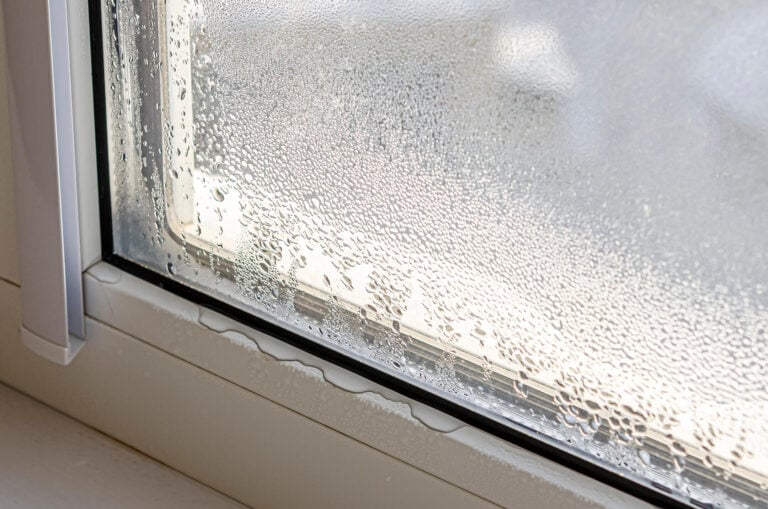
- Less condensation and frost: Warmer interior glass reduces moisture buildup on cold mornings.
- Lighter load on your HVAC system: Shorter run times can reduce wear on your furnace over the years.
For many homes, especially those with original single pane windows, these energy savings often show up on the very first winter bill. Replacing single pane windows can save an estimated $250 to $450 a year, depending on your home and local climate. The next section explains the specific features that make it happen.
6 Ways Energy Efficient Windows Lower Your Heating Bills
Modern window technology tackles heat loss from several directions at once. Each feature below plays its own role in keeping warmth inside.
1. A Lower U-Factor Slows Heat Transfer
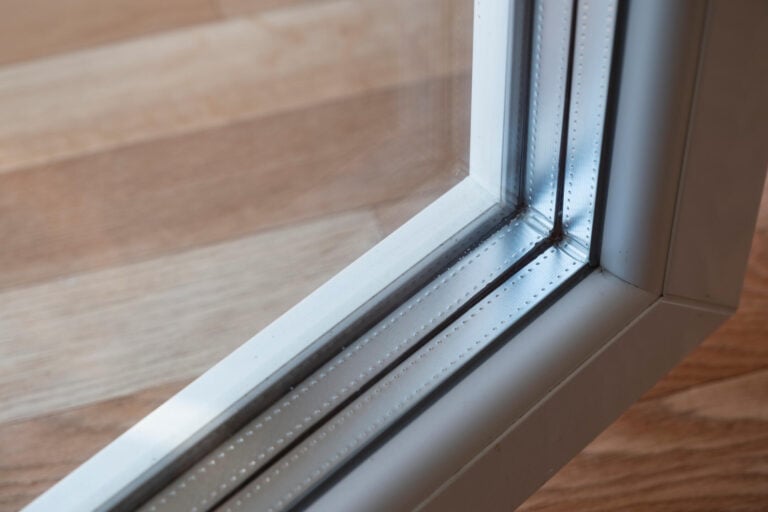
U-factor measures how much heat escapes through a window, and lower numbers mean better insulation. Multiple panes of glass with sealed air spaces between them are the main reason modern windows outperform older ones. We cover how those layered glass units work in our guide to insulated windows, but the key point for your bill is simple: a lower U-factor means less money spent replacing lost heat.
- A U-factor of 0.30 or below is generally considered good, but colder climates benefit from going lower
- ENERGY STAR windows for the northern climate zone generally need a U-factor of 0.22 or lower
- Triple-pane units often land around 0.18 to 0.22
2. Low-E Coatings Reflect Heat Back Inside
Low-emissivity (low-E) coatings are microscopically thin metallic layers applied to the glass. These low e glass coatings reflect radiant heat back into your living space while allowing visible light to pass through. They also block much of the sun’s UV rays, which helps protect floors and furniture from fading. In winter, that means warmth from your furnace, fireplace, and even your family bounces back into the room instead of radiating out through the window.
3. Gas Fills Add an Extra Insulating Layer
Many efficient windows fill the space between panes with argon or krypton instead of ordinary air. These gases are denser than air, so they move heat more slowly from the warm inner pane to the cold outer pane. The result is better insulation on the coldest nights without changing how the window looks.
- Argon is the most common and cost-effective fill
- Krypton performs well in the narrower gaps of triple-pane units
- Both gases are clear, odorless, and non-toxic
4. Warm-Edge Spacers and Better Frames Reduce Weak Spots
The edges of the glass and the frame itself are often where heat escapes most. Older aluminum spacers conduct cold right to the edge of the glass, which is why frost tends to form along the perimeter. Warm-edge spacers made from less conductive materials, combined with vinyl, fiberglass, or insulated composite frames, keep the whole window warmer. Frame material matters because some materials have far better insulating properties than aluminum.
5. Tight Air Sealing Stops Drafts
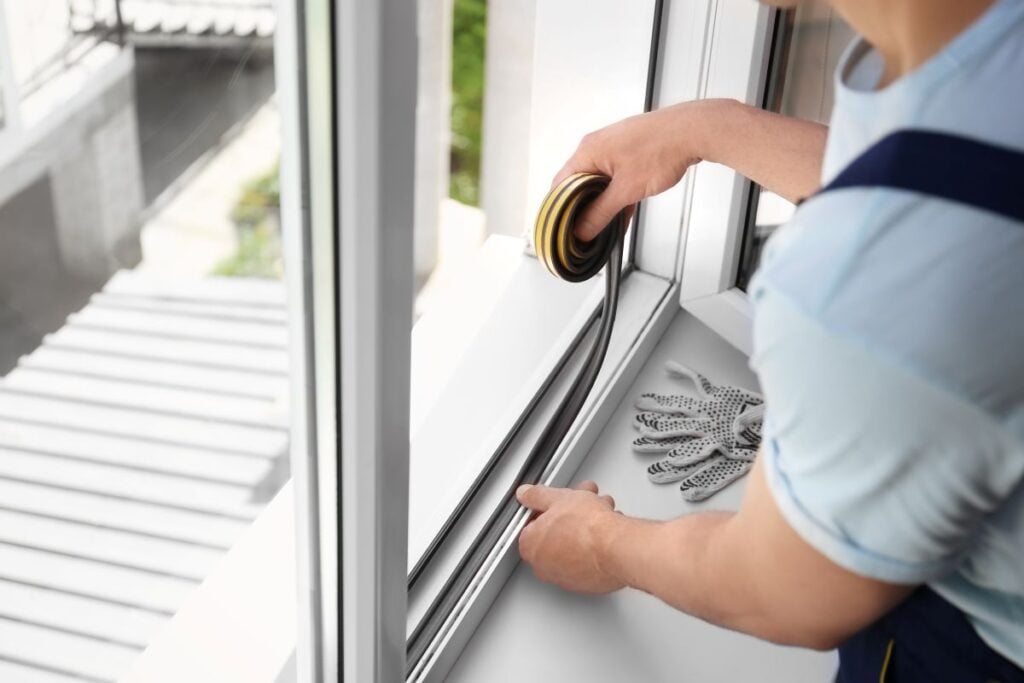
Even a small air leak around a sash can let cold air pour in all winter. Efficient windows use compression seals, multi-point locks, and precise construction to keep air leakage low. Casement and awning windows, which press tightly against the frame when closed, are especially strong performers in windy conditions. Fixed picture windows, which do not open at all, are typically the most energy efficient window type, while double hung windows rely on quality weatherstripping to stay tight.
- Look for an air leakage rating of 0.30 cubic feet per minute per square foot or lower
- Check that weatherstripping is continuous around every operable sash
- Locks should pull the sash snug against the frame
6. Warmer Glass Lets You Lower the Thermostat
When interior glass stays warmer, you feel less of a chill sitting near windows. That improved comfort often means families can set the thermostat a degree or two lower without noticing a difference. Over a long Minnesota heating season, that adds up to real savings. Lower energy consumption also shrinks your home’s carbon footprint.
Each of these features chips away at heat loss in a different way. When they are combined in a single, well-built window, the drop in energy costs can be significant.
How to Read a Window Label Before You Buy
Knowing the features is one thing, but comparing windows side by side is easier when you understand the label. Most quality windows carry a rating sticker from the National Fenestration Rating Council (NFRC) that lists their tested energy performance, and ENERGY STAR certified products also carry a label confirming they meet efficiency standards for your region. Here is what each number means for a cold-climate home.
- U-Factor: The most important number for winter savings. Lower is better.
- Solar Heat Gain Coefficient (SHGC): Measures how much solar heat passes through. Homes in warm climates aim for an SHGC below 0.40, but in Minnesota a moderate SHGC on south-facing windows can capture free warmth from direct sunlight.
- Visible Transmittance (VT): Rated on a scale from 0 to 1, it shows how much natural light comes through. Higher numbers mean brighter rooms.
- Air Leakage (AL): Indicates how much air passes through the window. Lower numbers mean fewer drafts.
- Condensation Resistance: Rates how well the window resists interior moisture buildup on a scale up to 100.
Once you know how to read these numbers, you can compare options with confidence. If you are already weighing specific products, our roundup of the most energy efficient windows is a helpful next stop for brand-level comparisons.
Why Installation Matters as Much as the Window
A high-performance window can still leak heat if it is not installed correctly. Gaps between the window frame and the rough opening are a common source of drafts, and they are hidden once trim goes on. That is why proper installation is a key part of getting the actual savings you paid for.
Proper Sealing Around the Frame
Installers should fill the space around the frame with low-expansion foam or backer rod and sealant. This creates an airtight, insulated connection between the window and the wall. Even top-rated replacement windows only perform as promised when they are properly installed.
Flashing and Moisture Control
Correct flashing keeps rain and melting snow from getting behind the window, where it can damage framing and insulation. Wet insulation loses much of its ability to hold in heat.
Old Windows vs. Upgraded Windows
| Feature | Typical Older Window | Modern Efficient Window |
| Glass layers | Single pane glass or basic double pane | Double or triple pane |
| Coatings | None | Low-E |
| Gas fill | Air | Argon or krypton |
| Spacers | Aluminum | Warm-edge |
| Air sealing | Worn weatherstripping | Compression seals |
| Winter comfort | Cold glass and drafts | Warmer glass, fewer drafts |
Homeowners in Cannon Falls and surrounding areas often find that older homes have shifted over time, leaving window openings slightly out of square. An experienced installer accounts for that so the new window seals evenly and operates smoothly for years.
Frequently Asked Questions About Energy Efficient Windows
Window upgrades are a big decision, so questions are normal. Here are straightforward answers to the ones homeowners ask most often.
How much can energy efficient windows save on heating?
Savings depend on your existing windows, home size, and how drafty the house is today. Homes replacing single-pane or failing windows usually see the biggest drop in winter heating costs.
Are triple-pane windows worth it in Minnesota?
For many homes in cold climates, yes. Triple-pane windows offer lower U-factors and warmer interior glass, which helps on the coldest days, though they cost more upfront.
Do energy efficient windows help in summer too?
Yes. The same features that hold heat in during winter also help block outdoor heat and solar radiation in summer, which can lower cooling costs.
Can I replace just a few windows at a time?
Absolutely. Many homeowners start with the draftiest windows or an old patio door first, then complete the rest in phases as the budget allows.
How much do energy efficient windows cost?
Energy efficient windows cost roughly $450 to $1,100 per window installed, depending on size, window type, and frame material. Federal tax credits for windows ended on December 31, 2025, so it is worth checking for local utility rebates or home improvement loans to help spread out the cost.
How long do energy efficient windows last?
Quality windows that are installed properly typically last 20 to 30 years or more. Seal failure, fogging between panes, or rising drafts are signs it may be time to replace them.
If your question is not covered here, a local window professional can give you specific recommendations. An in-person evaluation is the best way to know which upgrades will deliver the most savings.
Start Saving on Next Winter’s Heating Bills
Energy efficient windows are one of the most effective energy efficient upgrades to minimize heat loss, keep heat inside, improve comfort, and reduce the strain on your furnace through long Minnesota winters. The right combination of U-factor, low-E coatings, gas fills, and careful installation can make a noticeable difference for years to come. Puetz Construction helps homeowners in Cannon Falls and surrounding areas choose and install windows built for our climate. To talk through your options or schedule an evaluation, contact us today.
Fresh From our Blog