EPDM Flat Roof Installation and Maintenance Guide
Written By: Justin Puetz | June 17, 2026 | 9 Minute Read

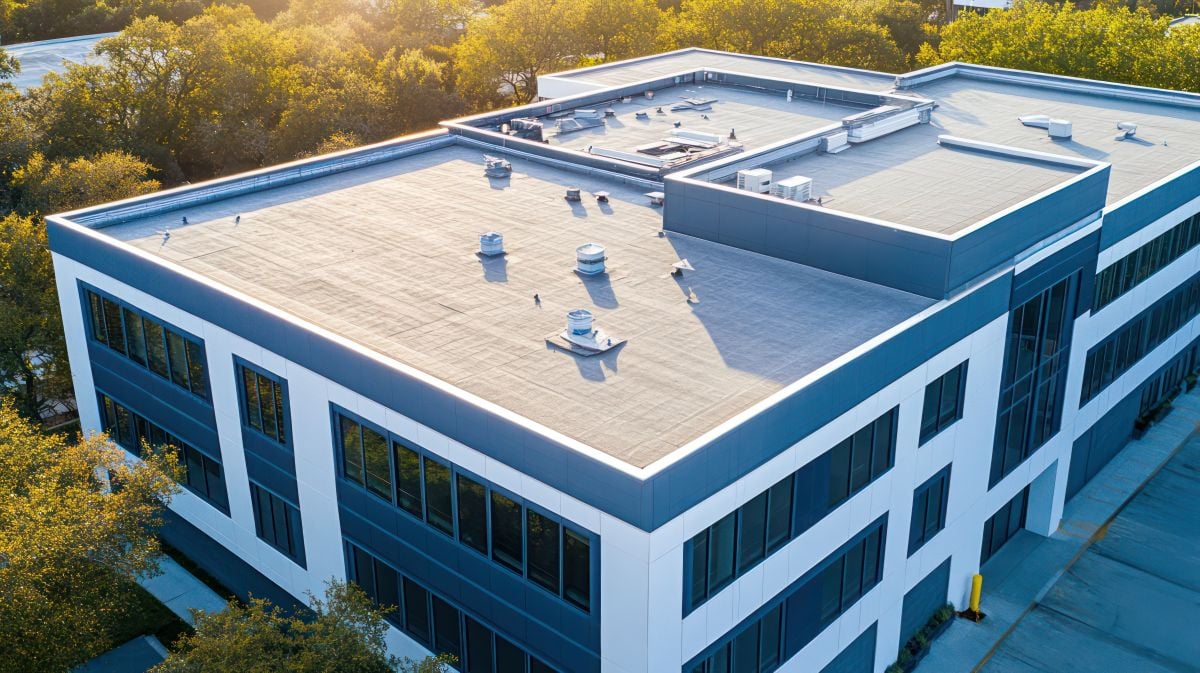
Your roof is one of the most important investments you will make in your property, and flat roofs come with their own unique set of demands. If you own a commercial building, garage, or home addition with a flat or low-slope roof, understanding EPDM flat roof systems can save you thousands in avoidable repairs. Typically priced between $4 and $10 per square foot installed, EPDM rubber roofing offers one of the best value propositions in the single ply roofing membrane category. Whether you are building new or replacing an aging membrane, property owners in Rochester and surrounding areas rely on proven solutions that hold up against Minnesota’s freeze-thaw cycles. If you are evaluating your flat roofing options, it helps to explore what a licensed exterior contractor can do for your commercial property before making any decisions.
What you’ll learn:
- What EPDM is and why it is a top-performing flat roof membrane
- How EPDM flat roof systems are installed from start to finish
- How to maintain your EPDM roof and extend its service life
- Common problems to watch for and how to address them
- How EPDM compares to other flat roofing materials
Why EPDM Is the Gold Standard for Flat Roofs
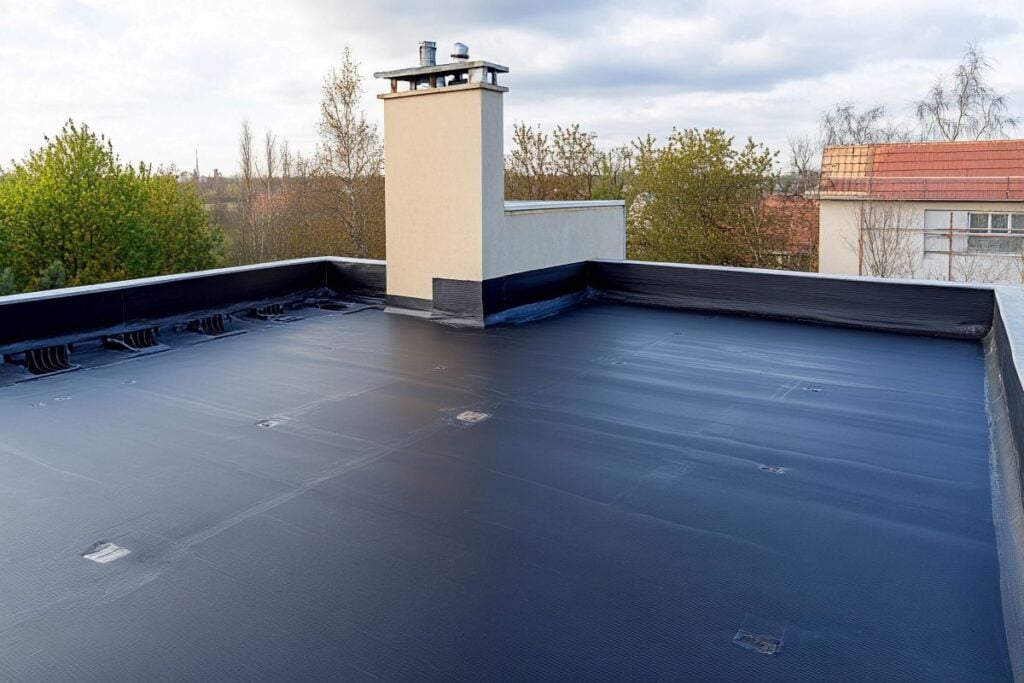
When it comes to flat and low-slope roofing, not every material is built to handle the demands of a Midwestern climate. Minnesota property owners face everything from blistering summer heat to ice dams and heavy snow loads, and the roofing membrane underneath it all needs to be up to the task. EPDM, which stands for ethylene propylene diene terpolymer, is a synthetic rubber roofing membrane trusted by contractors and building owners for more than five decades. Think of it as a durable, flexible inner tube wrapped around your roof deck, protecting the structure beneath from water intrusion and weathering. Its track record is one of the strongest in the industry, and for good reason.
Here is why EPDM continues to lead the flat roofing market:
- Exceptional weather resistance: EPDM membranes are engineered to handle UV exposure, extreme cold, hail damage, and heavy rain without cracking or becoming brittle. In climates like Rochester and surrounding areas, that kind of durability is non-negotiable.
- Long service life: A properly installed EPDM roof can last 25 to 50 years with routine maintenance, making it one of the most cost-effective options over the long term.
- Flexibility in freezing temperatures: Unlike some rigid roofing materials, EPDM stays flexible even in subzero conditions, which reduces the risk of cracking during freeze-thaw cycles and frost events.
- Low maintenance demands: Compared to built-up roofing or modified bitumen systems, EPDM requires relatively simple upkeep, which keeps long-term ownership costs manageable.
- Eco-friendly credentials: EPDM is 100% recyclable at the end of its service life, making it a genuinely eco-friendly roofing choice for environmentally conscious building owners.
Understanding why EPDM is the preferred choice is the first step toward making a smart roofing decision. The next step is knowing exactly how the installation process works so you can ask the right questions before work begins.
6 Key Steps in an EPDM Flat Roof Installation
A successful EPDM installation is not simply about rolling out rubber and calling it a day. It requires careful preparation, the right materials, and precise execution at every phase. Cutting corners during installation is the primary reason EPDM roofs underperform, so understanding the process gives you a clear baseline for evaluating any contractor’s proposed scope of work. Here is a step-by-step breakdown of what a professional EPDM flat roof installation involves.
1. Roof Deck Inspection and Preparation
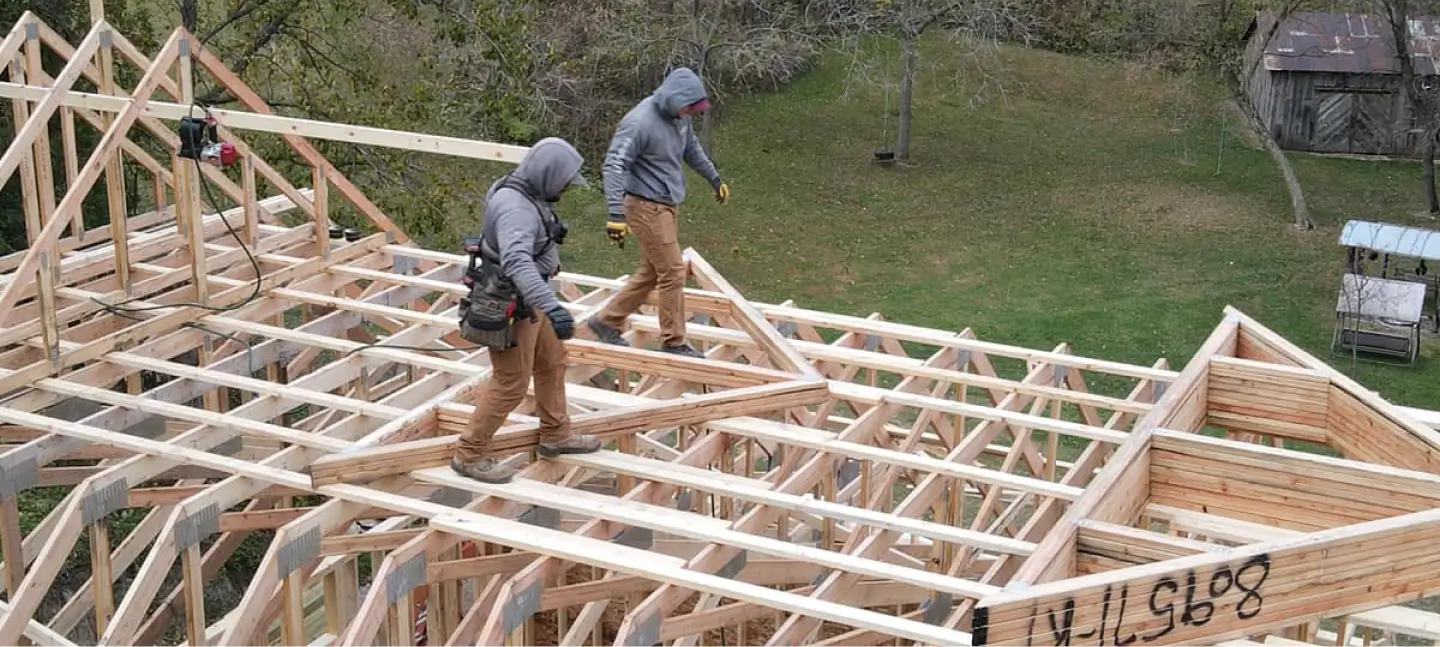
Before any membrane touches the surface, the existing roof deck must be thoroughly inspected. The installer will look for soft spots, rot, water damage, and structural inconsistencies that could compromise the new membrane. EPDM is commonly installed over plywood or timber decking, and any deteriorated sections must be replaced before installation begins. A clean, solid substrate is the foundation of a long-lasting EPDM roof.
2. Insulation Installation
Most flat roofs require a layer of rigid insulation board beneath the EPDM membrane. Insulation improves energy efficiency, provides a smooth surface for the membrane, and helps manage condensation. Common options include polyisocyanurate and extruded polystyrene boards, both of which perform well in Minnesota’s climate. The boards are fastened mechanically or adhered to the deck in a staggered pattern to eliminate seams that could create weak points.
3. Membrane Selection and Layout
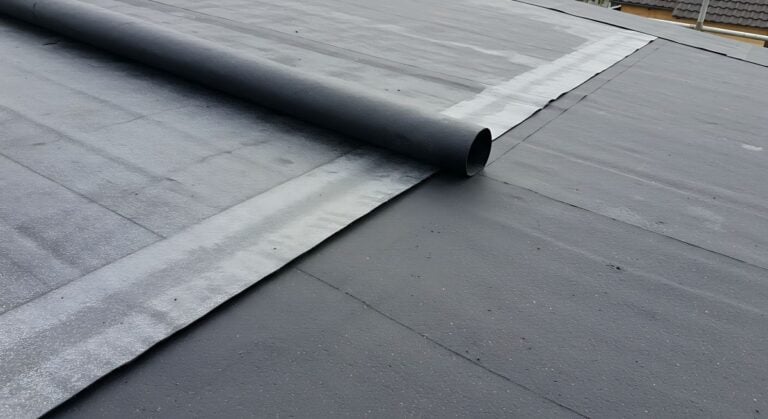
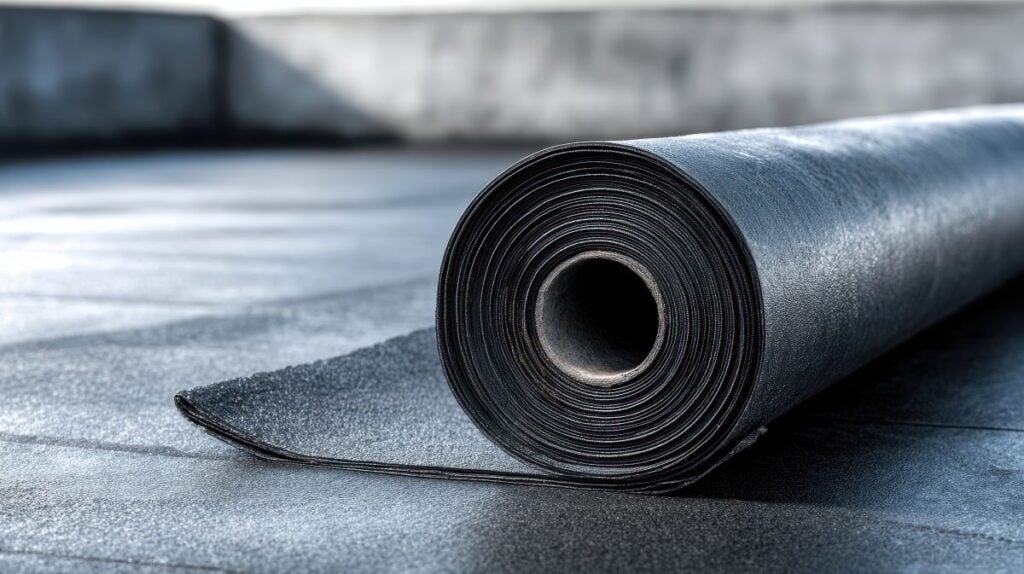
EPDM membranes are manufactured in rolls up to 50 feet wide and come in thicknesses of 30, 45, 60, and 100 mils. The 60 mil option is generally recommended for commercial applications or roofs with significant foot traffic, while 45 mil is common in residential settings. Larger sheet sizes reduce the number of seams on the finished roof, which directly reduces the risk of leaks. Once rolled out, the membrane should relax for at least 30 minutes before bonding to prevent tension and wrinkling. The installer will plan the layout carefully to minimize seams and ensure full coverage.
4. Membrane Attachment
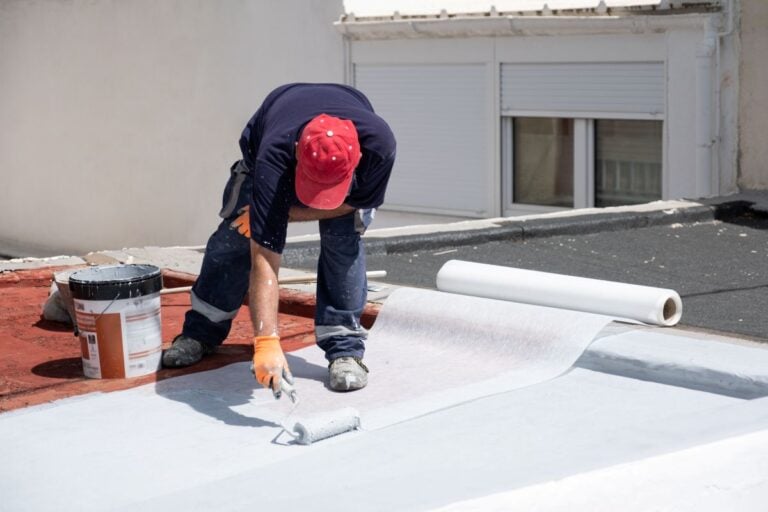
There are three primary attachment methods: fully adhered, mechanically fastened, and ballasted. Fully adhered systems use a bonding adhesive applied to both the insulation and the membrane, creating a tight bond with excellent resistance to wind uplift. Water-based adhesive is the most common choice for the main field, and cold-applied adhesives are used throughout the system, eliminating open-flame equipment on the jobsite. Mechanically fastened systems use plates and screws along the perimeter and at seams, and are typically the quickest installation method. Ballasted systems use river stone or pavers to hold the membrane in place and are generally used on larger commercial roofs. Each method has trade-offs in cost, wind resistance, and long-term performance that a qualified contractor can walk you through.
5. Seam and Detail Work
Seams are the most vulnerable part of any flat roof system. On EPDM roofs, seams are sealed using either EPDM tape or liquid seam sealant. Flashing details around penetrations such as drains, HVAC curbs, vents, and parapet walls require careful hand-work to create watertight transitions. This phase of installation demands the most skill and attention to detail. Roofing contractors serving Rochester and surrounding areas should have documented experience with these critical finishing details.
6. Final Inspection and Quality Check
Once the membrane and all details are complete, a final inspection should be performed to verify seam integrity, proper drainage slope, and secure flashing at every penetration. Some contractors use electronic leak detection equipment for added confidence. A detailed inspection at this stage can identify minor issues before they become costly problems down the road.
Taking the time to understand these installation steps puts you in a much stronger position when evaluating bids. Any proposal that skips or glosses over these phases should raise immediate questions.
Maintaining Your EPDM Flat Roof for Maximum Longevity
One of EPDM’s biggest advantages is that it does not demand a complicated maintenance routine. That said, a small amount of consistent care will dramatically extend the life of your roof and help you avoid major repair bills. Regular cleaning to remove dirt, debris, and organic growth protects the membrane’s surface integrity and prevents premature weathering. Routine maintenance is far less expensive than emergency repairs, and it keeps your warranty coverage intact.
Twice-Yearly Inspections
Inspect your EPDM roof at least twice a year, ideally in the spring after winter weather and in the fall before temperatures drop. Walk the surface carefully and look for visible damage, membrane shrinkage, bubbling, or areas where the membrane has pulled away from the edge or flashing. Early identification of these issues allows for simple, low-cost repairs rather than full replacements.
Clear Drainage Regularly
Standing water, also called ponding water, is one of the most common causes of premature EPDM deterioration. EPDM can tolerate some ponding, but chronic standing water accelerates wear and stresses the seams. Check that drains and scuppers are clear of debris after every major storm and especially following leaf fall in autumn. Property owners in Rochester and surrounding areas should be particularly diligent after heavy snowfall when meltwater can overwhelm slow-draining systems.
Address Punctures and Cracks Promptly
Foot traffic, falling branches, and HVAC maintenance work can all cause small punctures or surface cracks in the membrane. EPDM repair patches are available and relatively easy to apply on minor damage, but a licensed contractor should evaluate any crack longer than a few inches or any area where the membrane appears to have separated from the substrate. Delaying repairs on even minor damage allows water to infiltrate and cause far more extensive destruction.
Protect Seams and Flashing
Seams and flashing details are the most likely points of failure on any EPDM roof. During your inspections, pay close attention to any area where two pieces of membrane meet or where the membrane transitions to a vertical surface. Seam tape can lose adhesion over time, especially if it was not applied correctly during installation. A roofing professional can reseal vulnerable seams using compatible materials before they become active leaks.
How EPDM Compares to Other Flat Roofing Systems
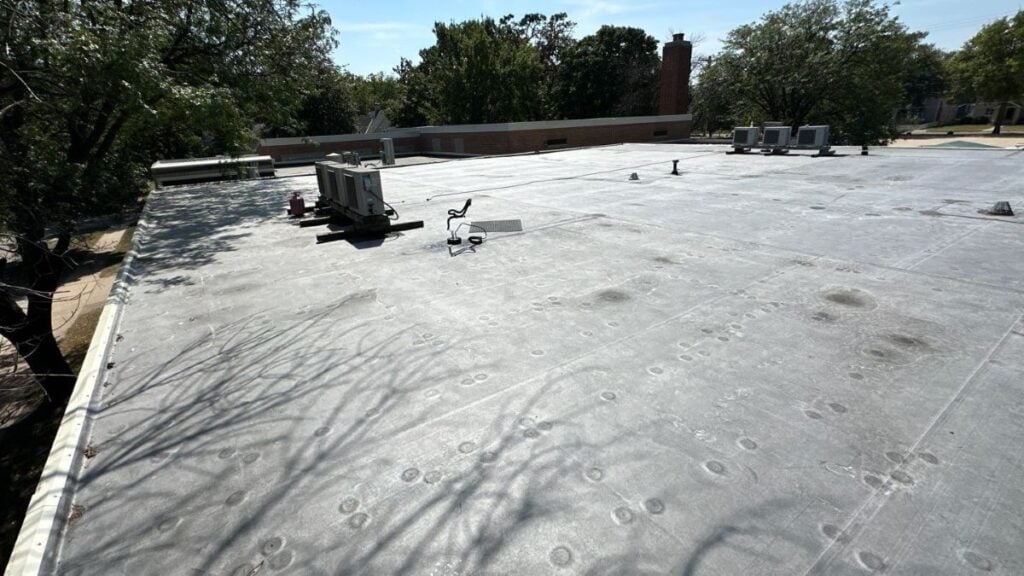
EPDM is a strong performer, but it is not the only flat roofing option on the market. Understanding how it stacks up against the alternatives helps you make a fully informed decision, especially if you are evaluating a new build or a full reroof. The three most common competitors to EPDM in the commercial and residential flat roofing space are TPO, PVC, and modified bitumen.
| EPDM | TPO | PVC | Modified Bitumen | |
| Material type | Synthetic rubber | Thermoplastic | Thermoplastic | Asphalt-based |
| Seam method | Tape or sealant | Heat-welded | Heat-welded | Torch or cold-applied |
| Cold weather performance | Excellent | Good | Fair — can become brittle | Good |
| Energy efficiency | Moderate | High — white reflective surface | High — white reflective surface | Low |
| Track record | 50+ years | 20–25 years | 30+ years | 40+ years |
| Typical cost | $4–$10 per sq ft | $5–$10 per sq ft | $6–$12 per sq ft | $4–$8 per sq ft |
| Best for | Most MN climates, commercial and residential | Warmer climates, energy-focused builds | Chemical/grease exposure, restaurants | Roofs needing layered redundancy |
Each system has scenarios where it performs best. Consulting with a qualified roofing contractor about your building’s specific use, climate exposure, and budget will help you land on the right choice.
Ready to Move Forward with Your Flat Roof Project?
Whether you are installing a new EPDM flat roof on a commercial building or replacing an aging membrane that has reached the end of its service life, the quality of your contractor matters as much as the material itself. Flat roofing is a specialized trade that requires precision at every step, from substrate preparation through final inspection. Property owners across Rochester and surrounding areas trust Puetz Construction to deliver that level of care on every job. Our licensed team understands Minnesota’s climate demands and brings the same white-glove approach to flat roofing that we apply to every exterior project we take on. If you are ready to get started, contact us today and let’s talk through what your building needs.
Fresh From our Blog