
5 Best Flat Roof Sealant Options for Leak Prevention
Written By: Justin Puetz | June 24, 2026 | 10 Minute Read

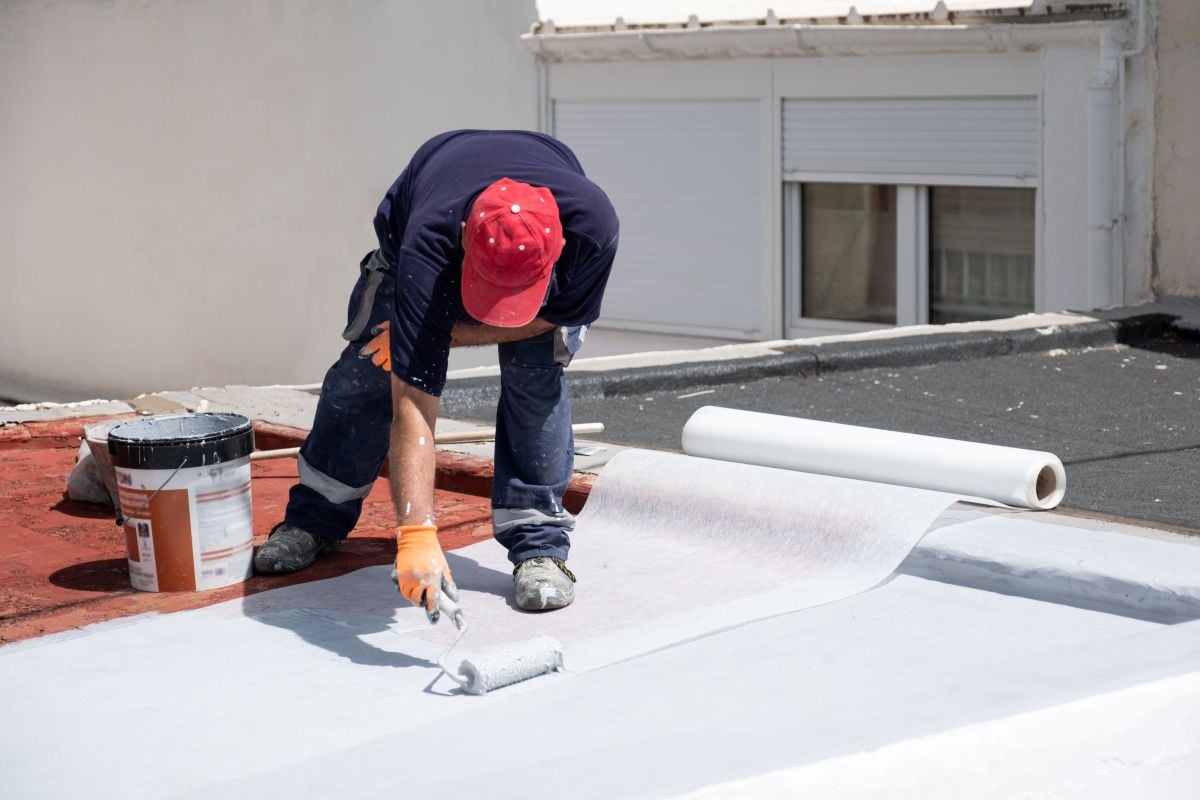
A leak on a flat roof rarely announces itself with a dramatic drip. More often, water finds a seam, a crack, or a worn flashing edge and works its way in quietly until the damage shows up on your ceiling. Choosing the right flat roof sealant is one of the most effective ways to stay ahead of that problem, whether you are patching a vulnerable spot or protecting a newly installed membrane. If you are also evaluating the broader condition of your flat roof and want to understand your full range of options, this resource on low-slope and flat roofing systems is a good place to start.
What you’ll learn:
- Why sealants are a critical part of flat roof leak prevention
- The five most effective flat roof sealant types and where each performs best
- How to apply sealant correctly for lasting results
- How climate affects sealant selection, especially in the upper Midwest
- When to seal and when to call a professional instead
Why Flat Roofs Are Especially Vulnerable to Leaks
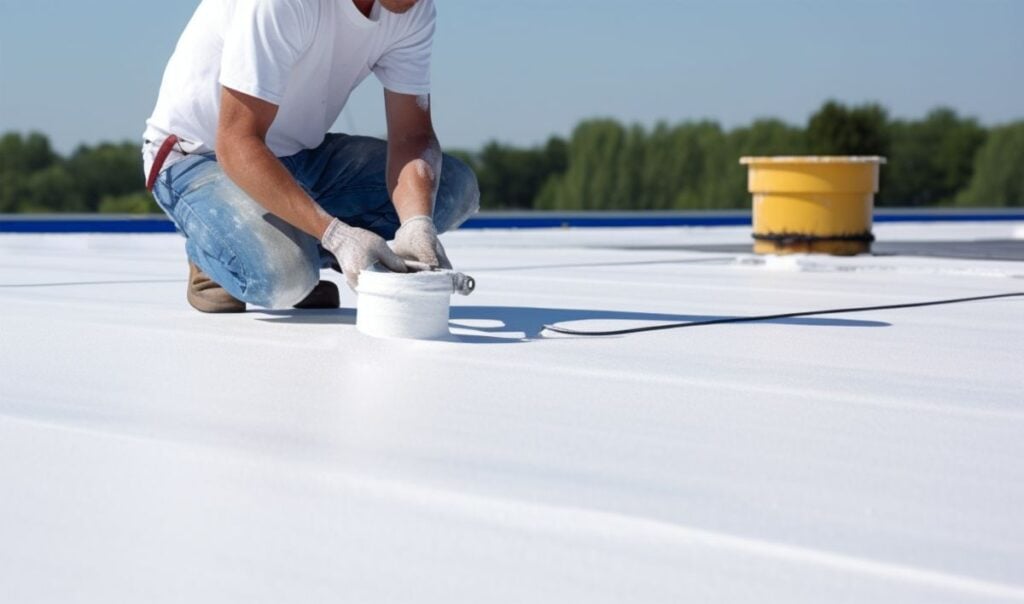
Flat roofs face a different set of challenges than pitched roofs, and understanding those challenges explains why sealant plays such a central role in their maintenance. Without a steep slope to shed water quickly, flat and low-slope roofs rely entirely on drains, scuppers, and membrane integrity to manage rainfall and snowmelt. Any gap, crack, or degraded seam becomes a direct entry point for water, and even a small breach can compound quickly in a climate like La Crosse and surrounding areas, where freeze-thaw cycles stress roofing materials throughout the winter months.
Here is why proactive sealing is one of the smartest investments a flat roof owner can make:
- Prevents costly repairs and interior damage: A single unaddressed leak can saturate insulation, rot decking, damage drywall, and create conditions for mold growth. Sealing vulnerable areas before water enters is far less expensive than remediating the damage after it does.
- Extends the roof’s service life: Sealants protect seams and edges from UV rays, thermal expansion, and moisture intrusion, all of which accelerate membrane wear. Applied correctly, a quality sealant can extend a roof’s life by up to 20 years compared to one left unmaintained.
- Reduces emergency repair calls: Flat roof leaks rarely wait for a convenient moment. Keeping seams and penetrations properly sealed significantly reduces the chance of waking up to an active leak during heavy rainfall.
- Supports long-term performance of any membrane type: Whether your roof is covered in EPDM, TPO, modified bitumen, or built-up roofing, the right sealant applied at the right points enhances the overall system’s ability to shed water and resist weathering.
Sealant is not a substitute for a properly installed and maintained roofing system, but it is an essential tool in any flat roof maintenance program. Knowing which type to use for your specific situation is the next critical step.
5 Flat Roof Sealant Types and Where Each Performs Best
Not all sealants are created equal, and using the wrong product for your roof type or climate can do more harm than good. Compatibility between the sealant and the existing membrane material matters enormously, as does the product’s flexibility in cold weather and resistance to UV breakdown over time. The five sealant types below cover the most widely used and highest-performing options available for flat roofs today.
1. Silicone Sealant
Silicone is widely considered one of the best all-around options for flat roofs exposed to standing water and intense UV rays. It remains flexible across a wide temperature range, does not harden or crack over time, and bonds well to most roofing substrates including metal, EPDM, and concrete. With proper application, silicone sealants can last over 20 years, and their excellent UV resistance keeps the surface coating intact even after years of direct sun exposure. Silicone does not absorb water, making it particularly effective in ponding areas. The main trade-off is that recoating with other products becomes difficult once silicone is applied, because most coatings will not adhere to a cured silicone surface.
- Best for: EPDM membranes, metal roofs, areas with chronic ponding water
- Typical cost: $2.50 to $5.00 per sq ft installed
- Temperature range: Typically rated from -65°F to 300°F
- Paintability: Limited; generally not paintable
2. Acrylic Sealant
Acrylic-based sealants are water-based, cost-effective, and environmentally friendlier than solvent-based alternatives. Many acrylic formulations are also highly reflective, reducing cooling costs by deflecting solar heat gain off the roof surface. They cure quickly, can be painted over, and clean up with water before curing. The limitation is that they are less effective in consistently wet conditions or on roofs with significant ponding water, and they can become brittle at very low temperatures. For property owners in La Crosse and surrounding areas planning to seal before winter, acrylic is best applied in fall before temperatures drop below 50°F.
- Best for: Modified bitumen, built-up roofing, seam and flashing detail work
- Temperature range: Best applied above 50°F; can become brittle in extreme cold
- Paintability: Yes
3. Polyurethane Sealant
Polyurethane sealants are known for exceptional adhesion and flexibility, making them a strong choice for high-movement joints and areas subject to significant thermal expansion and contraction. They bond aggressively to concrete, wood, and metal, and hold up well under foot traffic on commercial roofs with HVAC equipment or rooftop access. Polyurethane is available in one-part and two-part formulations, with two-part products offering faster cure times and greater strength for demanding applications.
- Best for: High-movement joints, concrete parapets, HVAC curb flashings
- Typical cost: $2.50 to $5.00 per sq ft installed
- Temperature range: Good flexibility in cold; some formulations rated to -40°F
- Paintability: Yes, after full cure
4. Butyl Rubber Sealant
Butyl rubber has been used in roofing applications for decades and remains a reliable option for sealing seams, laps, and penetrations on EPDM and other rubber membrane systems. Butyl tape, a solid form of butyl rubber, is commonly used during EPDM installation to seal field seams and perimeter edges. While not as flexible as silicone over long periods, butyl sealants are cost-effective, widely available, and compatible with most rubber roofing systems.
- Best for: EPDM seams and laps, rubber membrane systems, penetration sealing
- Temperature range: Performs well in cold; can soften in extreme heat
- Paintability: Limited
5. Asphalt-Based Sealant
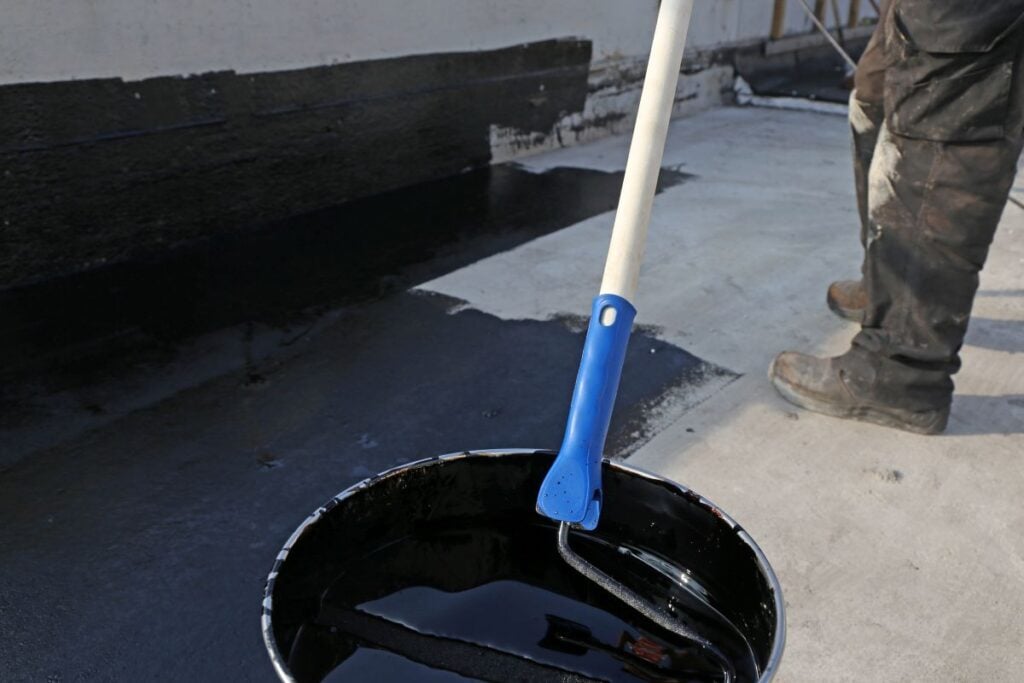
Asphalt-based or bituminous sealants are the traditional choice for built-up roofing and modified bitumen systems. They are used to seal flashings, repair cracks, and coat exposed areas on asphalt-based membranes. These products are compatible with asphalt roofing materials and are generally less expensive than synthetic alternatives. The downside is that asphalt sealants can dry out, crack, and lose adhesion over time, particularly in climates with significant temperature swings. They typically need to be reapplied every three to five years and are best treated as a maintenance measure rather than a long-term solution on their own.
- Best for: Modified bitumen flashings, built-up roofing repairs, asphalt surface cracks
- Temperature range: Can become brittle in cold, soft in heat
- Paintability: With appropriate primer
Matching the sealant to your membrane material, climate, and the specific repair task at hand will always outperform defaulting to a generic product off the shelf.
How to Apply Flat Roof Sealant Correctly
Even the best sealant will fail prematurely if applied to a poorly prepared surface or used outside its rated conditions. Surface preparation is the step most homeowners and inexperienced contractors rush, and it is almost always the reason a sealant fails within a season or two.
Clean the surface thoroughly before anything else. Remove all dirt, debris, algae, and standing water from the area to be sealed. A pressure washer can be effective on larger roof surfaces, but the surface must dry completely before any sealant is applied. Scrape away loose or flaking material, address any grease contamination with an appropriate cleaner, and follow the manufacturer’s instructions for prep requirements, as these vary by product.
Use a primer when the product requires it. Many polyurethane and butyl sealants perform significantly better with a compatible primer applied first. Skipping this step, even on a clean surface, can result in adhesion failure at the bond line.
Apply in appropriate weather conditions. Most sealants have temperature and humidity windows within which they must be applied to cure correctly. Cold temperatures slow or prevent proper curing, and high humidity can interfere with adhesion on some product types. In La Crosse and surrounding areas, the fall application window can close quickly, so timing matters.
Apply in even, continuous beads or coats. Thin spots or gaps create weak points that water will find. For seams and cracks, tool the sealant smooth to ensure full contact with both sides of the joint. For larger surface applications, use a roller or brush to maintain consistent coverage across the entire treated area.
Allow full cure time before rain or foot traffic. Most sealants require 24 to 48 hours to cure properly, though cold or humid weather can extend that window significantly. Applying sealant the day before a rainstorm is not a reliable strategy, and rushing the curing process is one of the most common reasons sealant repairs fail prematurely.
When Sealant Is Not Enough: Knowing the Limits
Sealant is a powerful maintenance tool, but it is not a solution for every flat roof problem. Understanding where sealant ends and professional intervention begins can save you significant time and money. There are situations where applying sealant over a damaged area only delays the inevitable and potentially makes a more comprehensive repair more complicated.
Widespread Membrane Deterioration
If the membrane itself is brittle, heavily cracked, or showing signs of widespread delamination, sealant on individual areas will not address the underlying failure. A membrane in this condition needs professional assessment to determine whether full replacement or an overlay system is the right path forward.
Active Structural Leaks
If water is actively entering through multiple points or the insulation beneath the membrane has become saturated, sealant applied from the top will not resolve moisture already trapped in the system. In climates like La Crosse and surrounding areas, that trapped moisture can freeze and expand during winter, significantly accelerating the damage.
Failed or Missing Flashings
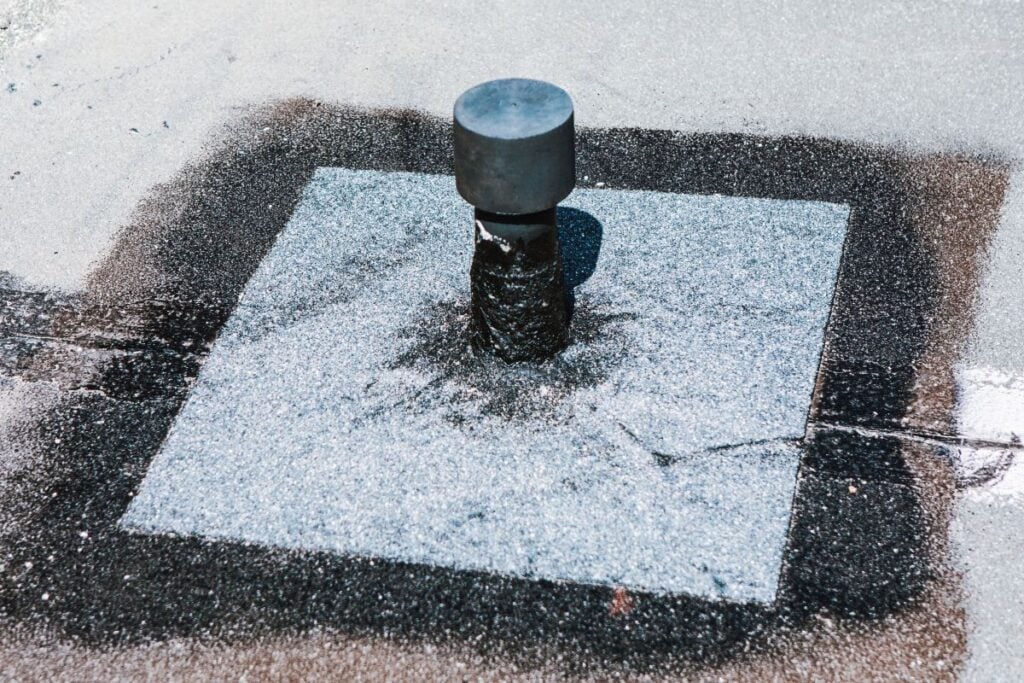
Flashings around penetrations, parapets, and roof edges are common failure points on flat roofs. If the flashing has separated, corroded, or been mechanically damaged, sealant alone is rarely sufficient. Full flashing replacement by a licensed contractor is typically needed to restore watertight integrity at those transitions.
Regular inspections, ideally twice a year, are the best way to catch problems while they are still small enough for sealant to handle. Reputable contractors will also provide warranty coverage on completed repair work, giving you recourse if a professionally sealed area fails within the warranty period. When the scope of the problem is unclear, a professional inspection is always the right first step.
Protect Your Flat Roof Before the Next Storm Hits
A well-maintained flat roof does not happen by accident. It takes regular inspection, timely application of the right sealant products, and the judgment to recognize when a problem is beyond a DIY fix. Staying ahead of leaks is almost always less expensive and less disruptive than responding to them after the fact. At Puetz Construction, we help homeowners and commercial property owners evaluate their flat roofs, identify vulnerable areas, and make smart decisions about repair, sealing, and replacement. When you are ready to get a professional set of eyes on your roof before the next season brings new stress to an aging system, contact us today and let’s figure out the right plan together.
Fresh From our Blog