
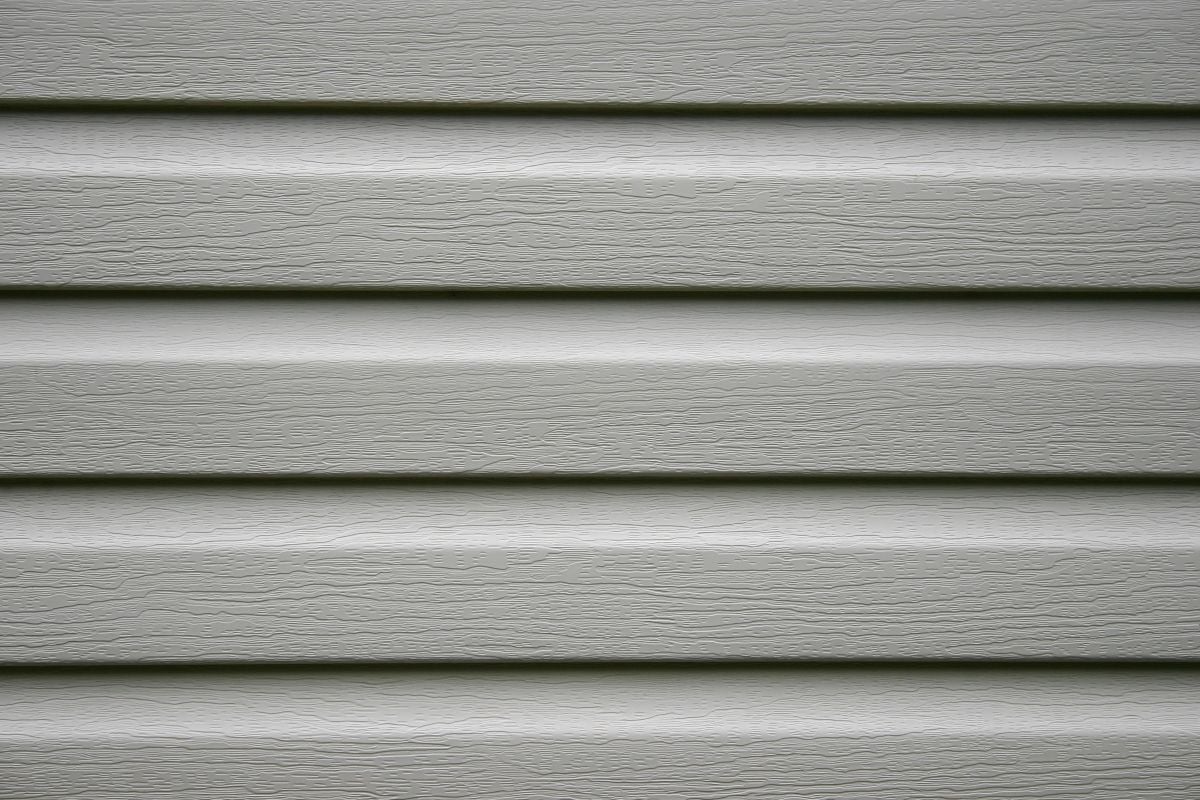
Fiber Cement Siding: 3 Benefits, Cost and Long-Term Value
Written By: Puetz Construction | August 24, 2026 | 9 Minute Read

Exterior siding takes on more responsibility than most homeowners realize, shielding a house from wind, moisture, and years of temperature swings while also shaping its curb appeal from the street and the driveway. Fiber cement siding, most widely recognized through James Hardie’s products, has become a leading choice for both residential and commercial projects because it holds up to that job better than most traditional materials, all while keeping long-term maintenance manageable for busy households. Many homeowners start narrowing down the different types of exterior finishes with this overview of exterior finishing options, where material, cost, and durability all come into play before a final decision gets made.
What you’ll learn:
- Why fiber cement siding has become such a trusted choice for homeowners in the region
- Three core benefits that set fiber cement apart from other common siding materials
- What actually drives the total cost of a fiber cement siding project
- How fiber cement compares to vinyl and wood on long-term value and upkeep
- What to expect during a professional installation from start to finish
What Fiber Cement Siding Brings to a Home
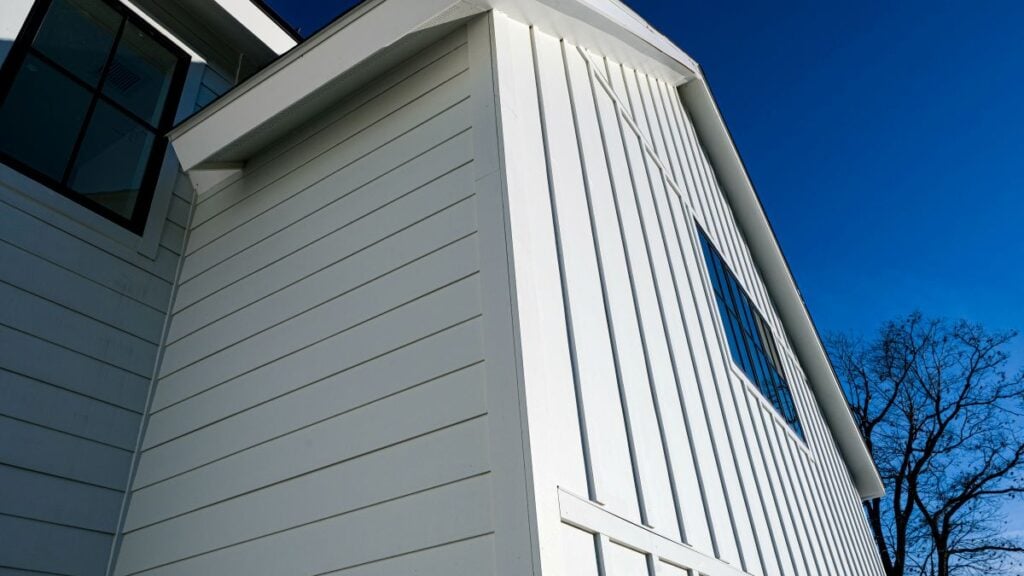
A home’s exterior faces constant exposure to the elements, and the material covering it determines how well that exposure is handled year after year without costly repairs or premature replacement. Fiber cement has earned a strong reputation among homeowners in Menomonie and surrounding areas because it holds up to harsh winters and humid summers without the constant upkeep that wood siding demands.
- Exceptional durability: Made from a mix of Portland cement, sand, water, and cellulose fibers, often with proprietary additives added for extra strength, fiber cement resists rot, warping, cracking, and insect damage far better than natural wood, even under repeated freeze-thaw stress.
- Fire resistance: Because it is non combustible, a fiber cement exterior adds a layer of protection wood and some other materials cannot offer, helping keep a home better protected in the event of a nearby fire.
- Low long-term maintenance: A properly finished fiber cement exterior needs far less repainting and repair than traditional wood siding over its lifespan.
- Strong return on investment: Homeowners consistently recoup a meaningful share of installation costs through added home value at resale.
These qualities explain why fiber cement has moved from a niche option to one of the most commonly requested siding materials for full exterior replacements across the region. It manages to combine long-term performance with a natural wood-like appearance, which is a combination few other materials can match at a similar price point, making it a practical choice for homeowners who want both style and substance.
3 Benefits That Make Fiber Cement Siding Worth the Investment
Fiber cement earns its reputation through a handful of specific advantages that matter most to homeowners planning a siding project. Understanding these benefits in more detail helps clarify why the material commands the price it does compared to lighter, less durable alternatives.
1. Superior Weather Resistance
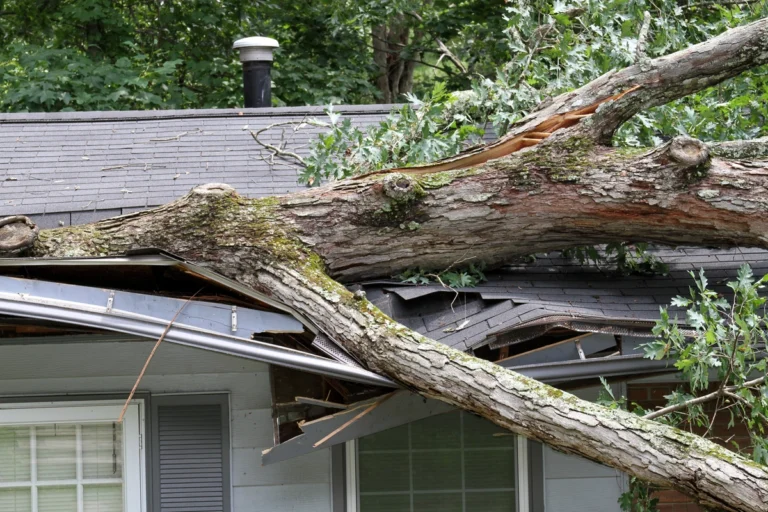
Fiber cement is engineered specifically to withstand moisture, freeze-thaw cycling, and temperature extremes without warping, cracking, or absorbing water the way natural wood tends to over time. This makes it especially well suited to climates with harsh winters and humid summers, including the seasonal swings common throughout Menomonie and the surrounding region.
- Resists moisture absorption that leads to rot and mold in wood siding
- Holds its shape through repeated freezing and thawing cycles
- Performs well in high humidity without swelling or buckling
- Stands up to wind-driven rain better than many lighter siding materials
- Properly sealed seams and flashing keep moisture from working its way behind the panels, since fiber cement can still be susceptible to moisture damage if not installed correctly
This weather resistance is a major reason fiber cement has become the default recommendation for homeowners tired of repairing weather-damaged wood siding year after year, especially in a climate that swings between humid summers and bitterly cold winters. It is a well-tested solution that has proven itself across decades of real-world use.
2. Long Lifespan With Minimal Upkeep
A well-installed fiber cement exterior can last several decades with only periodic maintenance, which sets it apart from materials that demand frequent attention year after year. Most manufacturers back their products with lengthy warranties reflecting this durability, giving homeowners added peace of mind about their investment.
- Factory-applied, baked on color finishes resist fading and chipping for many years
- Occasional cleaning with a soft brush and garden hose is often all that is needed between inspections
- Repainting intervals are far less frequent than with traditional wood siding
- Warranty coverage often extends a decade or more beyond what comparable materials offer
This combination of longevity and low upkeep is a major factor in why fiber cement often costs less over its full lifespan than cheaper materials that need more frequent replacement or repair, even though the upfront price tag tends to be higher. It is also part of why James Hardie’s products alone are now installed on more than 8 million homes across the country.
3. Authentic, Versatile Appearance
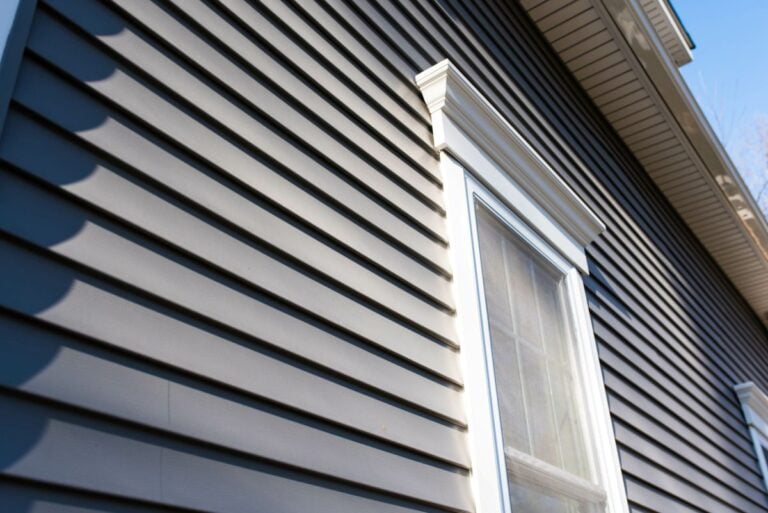
Fiber cement can be manufactured to mimic wood grain, a smooth texture, stucco, or a variety of architectural profiles, giving homeowners design flexibility without sacrificing durability. This versatility means it works across a wide range of home styles rather than being limited to one look, from classic farmhouse exteriors to a sleek modern aesthetic.
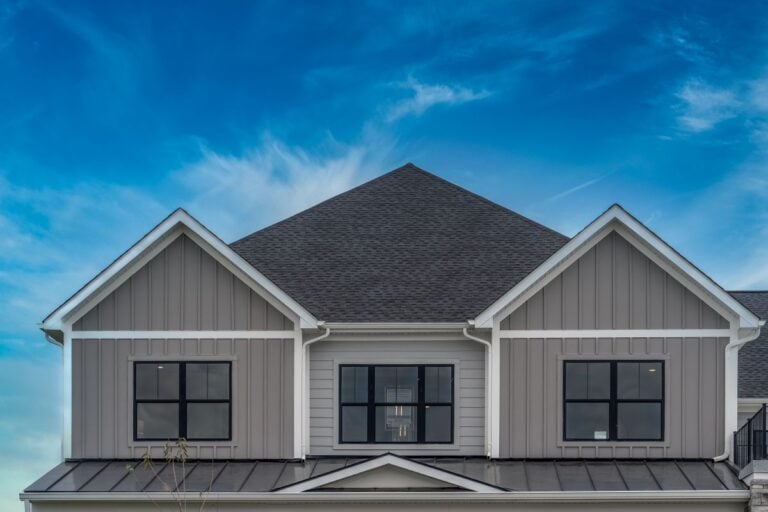
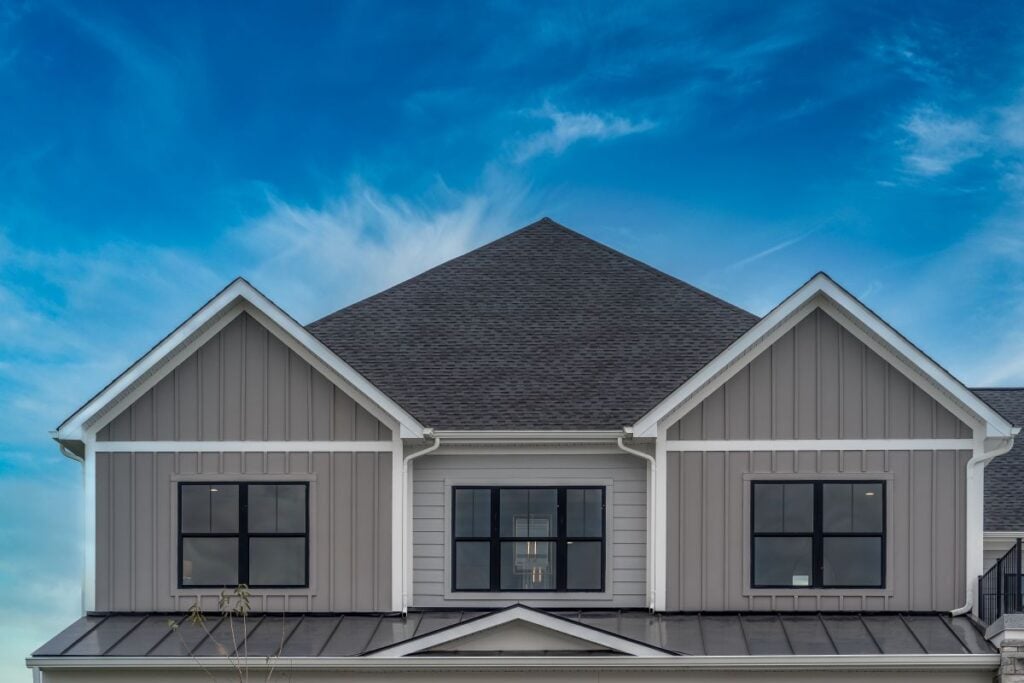
- Available in lap siding, board and batten, large panels, and shingle-style profiles
- Textured finishes closely mimic the look of natural cedar or redwood
- Wide color selection allows for both classic and modern exterior palettes
- Trim products and accent pieces are available to match or contrast with the main siding
- Panels are sold in a range of width and length options, giving contractors flexibility in how they form the overall design
Homeowners get the visual warmth of natural materials without the maintenance burden that typically comes with it, which is exactly the combination most people are hoping to find when they start shopping for new siding. Choosing among these options is easier with a clear sense of what each manufacturer specializes in.
HardiePlank has become almost synonymous with fiber cement siding, while other manufacturers carve out their own niche: Nichiha focuses on large format panels for a bolder, more contemporary look, GAF WeatherSide specializes in fiber cement shingles for a classic New England feel, Allura offers more than twenty matching colors across its lineup, and Woodtone’s RusticSeries adds eighteen designer colors aimed at more rustic, natural exteriors. This range of options helps create a finished look that feels custom to the home rather than off the shelf, and can also enhance the overall aesthetic in ways that go beyond a single standard finish.
What Drives the Cost of a Fiber Cement Project
Fiber cement pricing varies more than many homeowners expect once they start collecting quotes, and understanding the main cost drivers helps set realistic expectations from the start. As a general guide, material costs typically range from $5 to $14 per square foot, and James Hardie panels alone can start around $85.81 per panel depending on the product line, though it still generally costs less than brick or synthetic stucco. A few key factors consistently have the biggest impact on total project price, and knowing them ahead of time makes comparing contractor bids much easier.
- Home size and complexity: Larger homes and those with more corners, gables, or dormers require more material and labor to complete.
- Product line and profile: Textured finishes and specialty profiles typically cost more than standard smooth panels.
- Finish type: Factory-applied color generally costs more upfront than field-applied paint but requires less maintenance over time.
- Labor requirements: Fiber cement is heavier and more labor intensive to install than vinyl, which is reflected in contractor pricing.
- Site conditions: Removing and disposing of old siding, along with repairing any damaged sheathing underneath, can add to the overall project cost.
Getting itemized quotes that break down material, labor, and finish costs separately makes it much easier to compare bids accurately and understand exactly what is included in each contractor’s estimate.
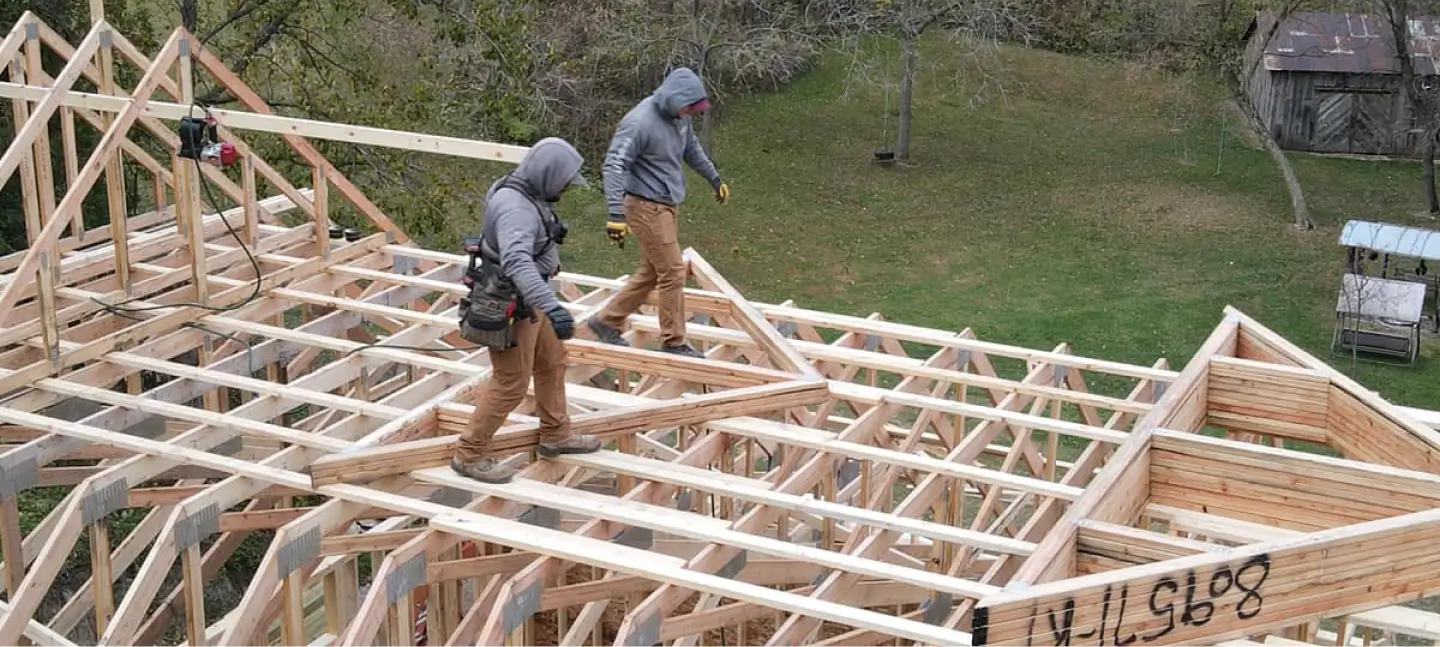
Beyond pricing, it helps to know what a professional installation actually involves from start to finish. Most projects start with removing the existing siding and inspecting the sheathing underneath for any hidden damage that needs repair before the new material goes on. Installers then apply house wrap, carefully measure and cut each individual panel, and secure everything with corrosion-resistant fasteners spaced according to manufacturer specifications. A typical full exterior project takes anywhere from a few days to a couple of weeks depending on home size and weather conditions during installation.
Fiber Cement Compared to Vinyl and Wood Siding
Fiber cement is one of three materials most homeowners in the region seriously consider when planning a siding replacement, alongside vinyl and traditional wood. Each option carries its own balance of upfront cost, durability, and ongoing upkeep, and seeing them side by side often makes the tradeoffs clearer than reading about each material separately.
| Feature | Fiber Cement | Vinyl | Wood |
| Upfront Cost | Higher | Lower | Moderate |
| Durability | Very high | Moderate | Lower without upkeep |
| Fire Resistance | Noncombustible | Combustible | Combustible |
| Long-Term Maintenance | Low | Very low | High |
Looking at this comparison, fiber cement tends to appeal most to homeowners planning to stay in their home for many years and prioritizing durability and resale value over the lowest possible upfront cost. Vinyl remains attractive for buyers focused on minimizing initial spend, while wood continues to appeal to those drawn to its natural texture despite the added maintenance it requires. Engineered wood is worth a mention too, since it is generally lighter than fiber cement but lacks the same fire resistance. Fiber cement also provides minimal thermal insulation value on its own, so proper house wrap and insulation still matter regardless of material. Many homeowners in Menomonie ultimately land on fiber cement once they account for total cost of ownership, not just the initial installation price. Color trends favor it too, with all-black homes seeing a 778 percent increase in Pinterest searches since 2014, a modern aesthetic that fiber cement’s factory finishes handle especially well.
Start Your Fiber Cement Siding Project Today
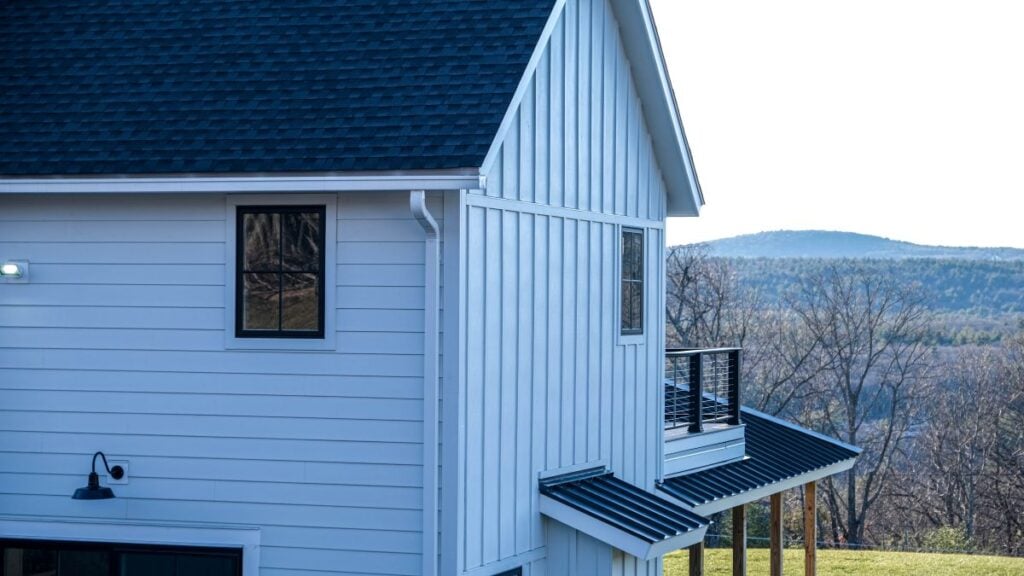
Fiber cement siding offers a rare mix of durability, fire resistance, and long-term value that few other exterior materials can match, especially for homeowners dealing with Minnesota and Wisconsin’s demanding weather swings throughout the year. Weighing the benefits and cost factors above helps ensure the finished project delivers lasting performance as well as curb appeal for decades to come.
Puetz Construction has helped homeowners throughout Menomonie and surrounding areas plan and install fiber cement siding that fits their home’s style, budget, and long-term goals. If fiber cement siding sounds like the right fit for your home, contact us today to discuss material options, colors, and get a clear estimate for your project.
Fresh From our Blog