
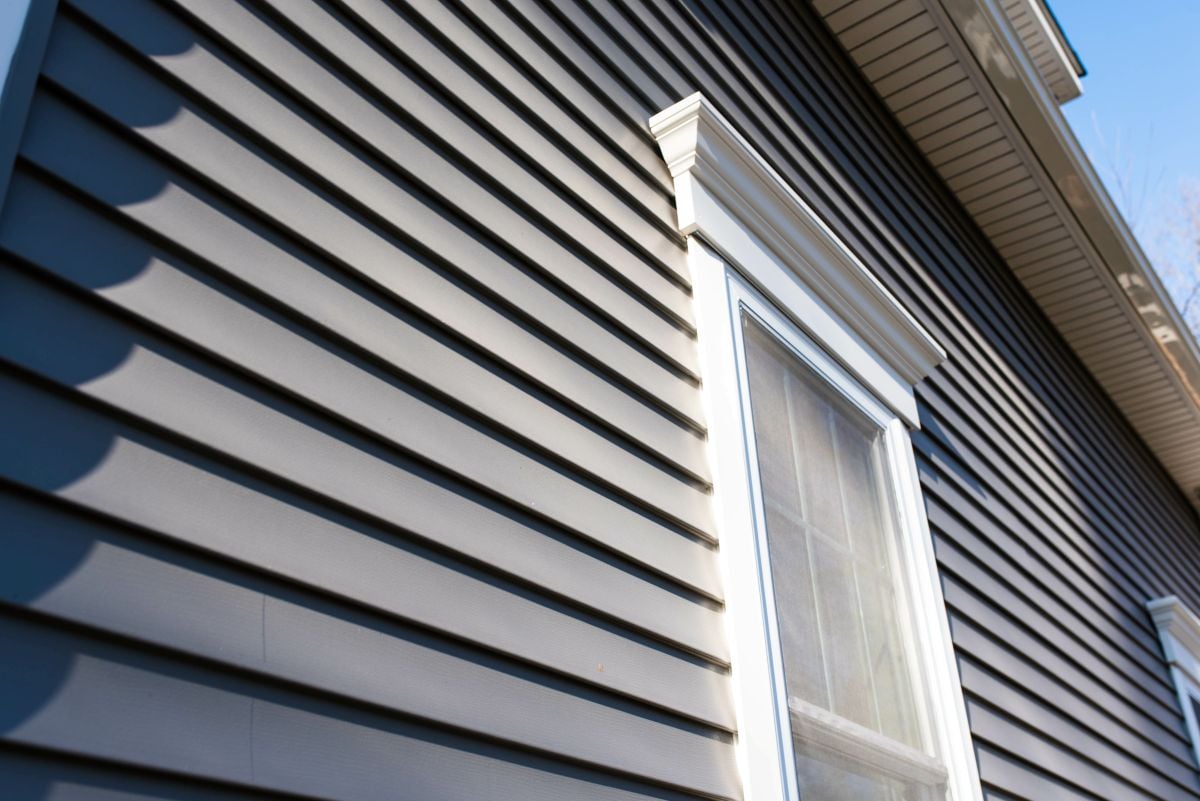
Hardie Board Siding: Cost, Colors and Overall Home Value
Written By: Puetz Construction | August 19, 2026 | 8 Minute Read

Choosing new siding is a decision that affects a home’s appearance, protection, and resale value for decades to come, which makes it worth understanding the options before signing off on a project. Hardie board siding, made by James Hardie from a blend of cement, sand, and cellulose fibers, has become one of the most requested materials among homeowners who want a durable, low maintenance exterior without sacrificing style. Over 10 million homes across the country already feature Hardie products, and many of these conversations start the same way as this overview of exterior finishing options, where homeowners weigh material, cost, and long-term value before making a final decision.
What you’ll learn:
- Why Hardie board siding has become such a popular investment for homeowners
- Four cost factors that shape the price of a Hardie board project
- Ways to choose colors and finishes that suit a home’s style
- How Hardie board compares to vinyl and wood siding on cost and value
- What to expect from a professional installation
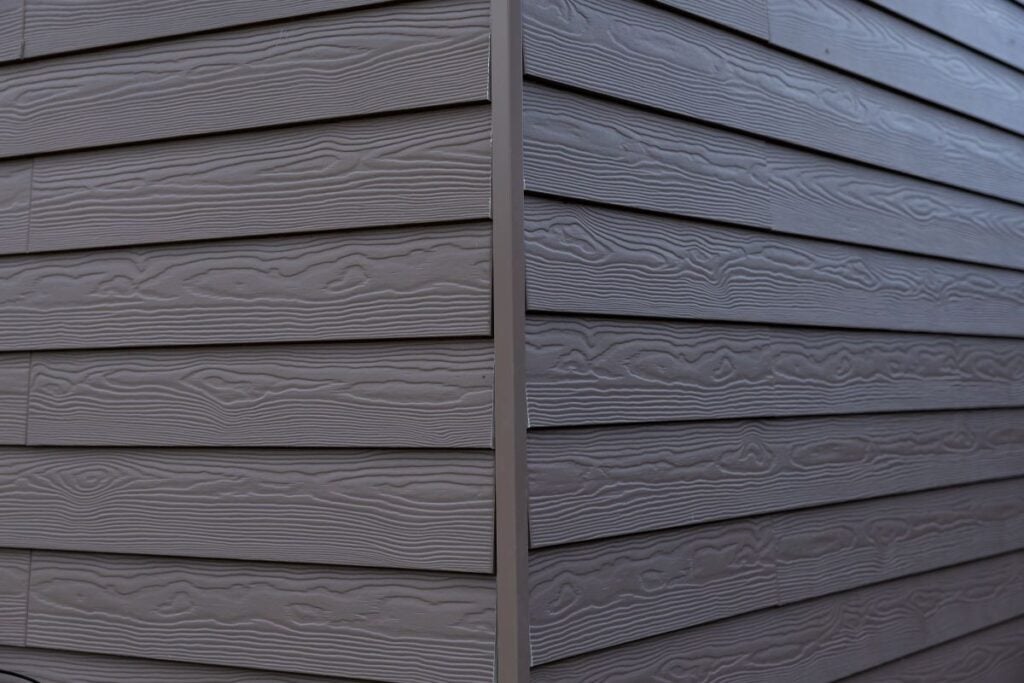
The Value Hardie Board Siding Adds to a Home
Siding is one of the first things anyone notices about a house, and it also does the heavy lifting of protecting the structure underneath from wind, rain, and temperature swings year after year. Hardie board, a type of fiber cement siding, has built a strong reputation among homeowners in Bloomington and surrounding areas because it delivers both curb appeal and durability without the constant upkeep that traditional wood siding demands.
- Long-term durability: Fiber cement resists rot, warping, and insect damage far better than wood, holding up well through harsh winters and humid summers alike without constant attention. With proper maintenance, Hardie board can last 40 to 50 years and is backed by a 30-year limited warranty on most products.
- Fire resistance: Hardie board is non-combustible and stands up to heat far better than wood or vinyl, which offers an added layer of protection that some other siding materials simply cannot match. Some insurers even offer lower premiums for homes with non-combustible siding.
- Pest resistance: Termites and carpenter ants cannot damage fiber cement the way they can damage natural wood, removing one of the most common headaches of traditional siding.
- Design flexibility: Available in a wide range of colors, textures, and profiles, it can mimic the beauty of natural wood grain, stucco, or a smooth modern finish depending on a home’s style.
- Resale value: Homeowners frequently recoup a significant portion of the installation cost through increased home value at resale, making it one of the more financially sound exterior upgrades available.
These benefits explain why Hardie board has become a go-to choice for homeowners planning a full siding replacement rather than a quick patch job. It offers a rare combination of long-term performance and visual appeal that justifies the higher upfront investment for many households.
4 Cost Factors That Shape a Hardie Board Siding Project
Hardie board pricing varies more than many homeowners initially expect, and understanding what drives the cost helps set realistic expectations before requesting quotes from local contractors. The factors below have the biggest impact on the final price of a project.
1. Home Size and Siding Coverage
The total square footage of exterior wall space being covered is the single biggest driver of overall project cost. As a general guide, Hardie board siding typically runs $6 to $12 per square foot installed, though additional installation-specific costs can add another $1,000 to $3,000 depending on the complexity of the job. Larger homes naturally require more material and labor, but the shape of the home also plays a meaningful role in the final number.
- Homes with more corners, gables, and dormers require more cutting and fitting
- Multi-story homes often cost more due to scaffolding and access requirements
- Accent applications on just a portion of the exterior cost less than a full replacement
Getting an accurate measurement of total coverage area from a contractor is the first step toward a realistic, reliable estimate.
2. Product Line and Profile Choice
Hardie board is available in several different product lines and siding profiles, each priced differently based on texture, thickness, and intended overall use. Lap siding, board and batten profiles, and shingle-style panels all carry their own price points and installation requirements.
- Smooth finishes tend to cost less than heavily textured, wood grain finishes
- Thicker panels generally cost more but offer improved durability
- Specialty trim and accent pieces add to the overall material cost
Choosing the right product line for a specific home’s style and overall budget takes some upfront research and conversation with a contractor.
3. Labor and Installation Complexity
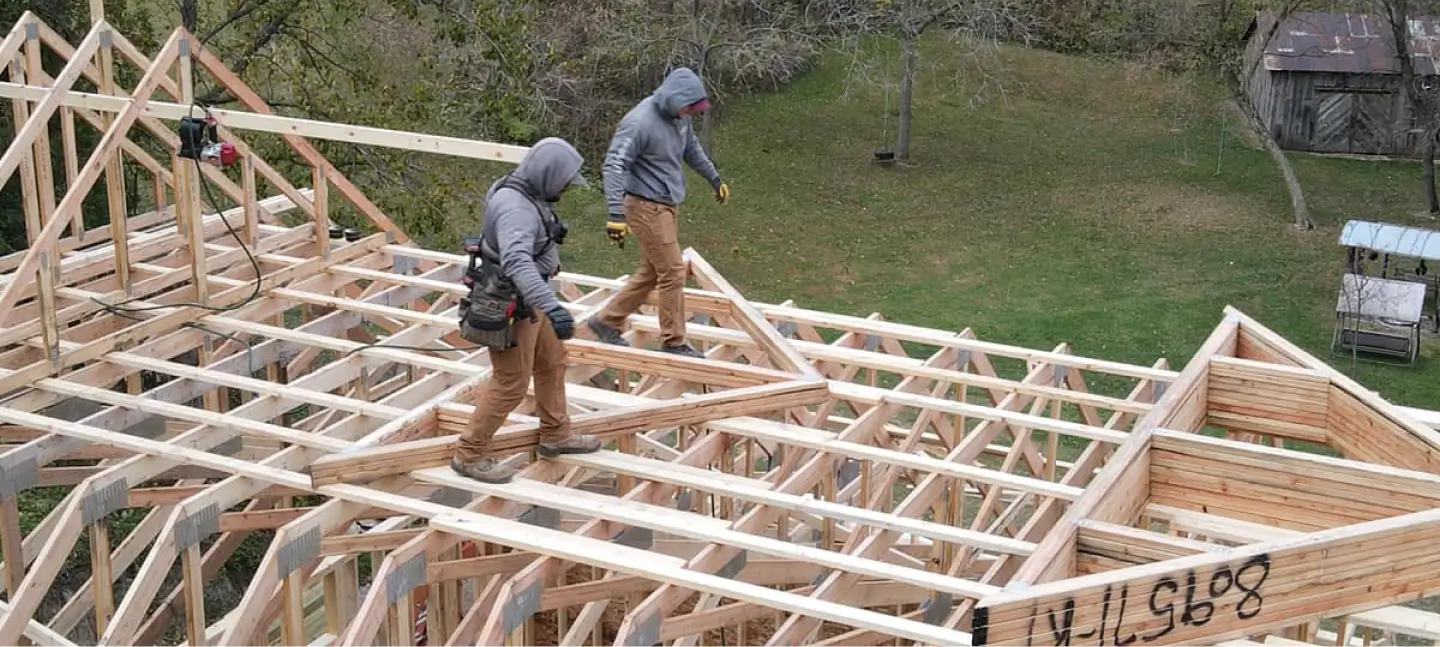
Fiber cement is heavier and more brittle than traditional wood siding, which makes installation more labor intensive and requires specialized tools, certified labor, and careful cutting techniques. This complexity is reflected in the labor portion of most quotes, and contractors familiar with the material tend to charge accordingly for the attention to detail involved. Homeowners throughout Bloomington and surrounding areas often find that labor makes up a larger share of the total project cost than the material itself.
- Proper installation requires specific fasteners, clearances, and careful caulking to prevent moisture issues down the road
- Cutting fiber cement produces silica dust, requiring safety equipment and proper ventilation on site
- Experienced installers charge more but reduce the risk of costly problems down the road
Paying for experienced installation upfront often saves money over the life of the siding by avoiding early repairs.
4. Paint and Finish Options
Hardie board can be purchased pre-finished with factory-applied color through the ColorPlus finishing process, or installed unfinished and painted on site once the panels are in place. Each approach comes with different cost and maintenance tradeoffs that are worth weighing before making a final decision.
- Factory-finished color uses baked-on finishes with special additives that resist fading and chipping for up to 15 years, though it typically costs more upfront
- Field-applied paint costs less initially but generally needs repainting about every 10 years
- Custom color matching can add cost compared to standard color offerings already available from the manufacturer
Deciding on a finish approach early helps avoid confusion when comparing quotes from different contractors, since not every installer offers both options.
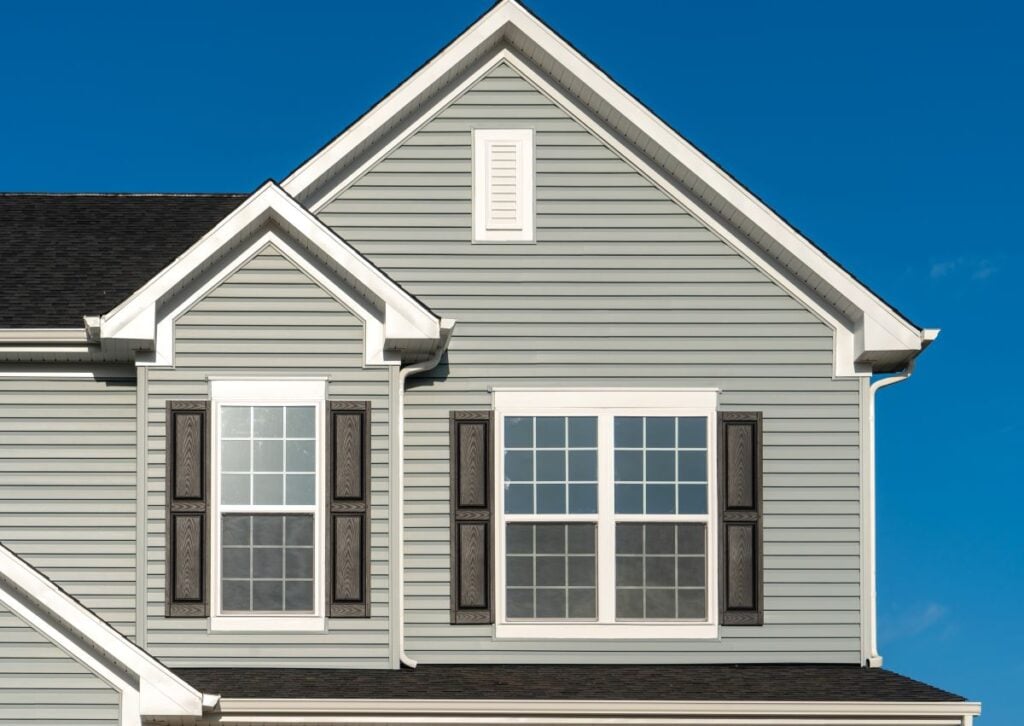
Choosing Colors and Finishes for Hardie Board Siding
Once the material and budget are settled, choosing the right color and texture becomes one of the most enjoyable parts of a siding project. This decision has a lasting impact on how the home looks for years to come, since siding is not something most homeowners change often.
Popular Color Trends
Warm neutrals, deep grays, and classic whites remain some of the most requested colors for Hardie board siding, often paired with a contrasting trim color for definition and visual interest. Bolder colors like navy or charcoal have also grown in popularity for homeowners wanting a more modern statement that stands out on the street.
Texture and Profile Options
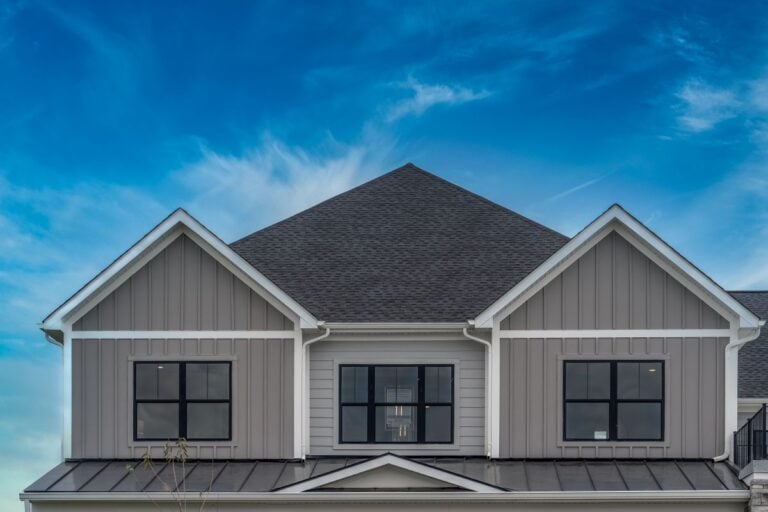
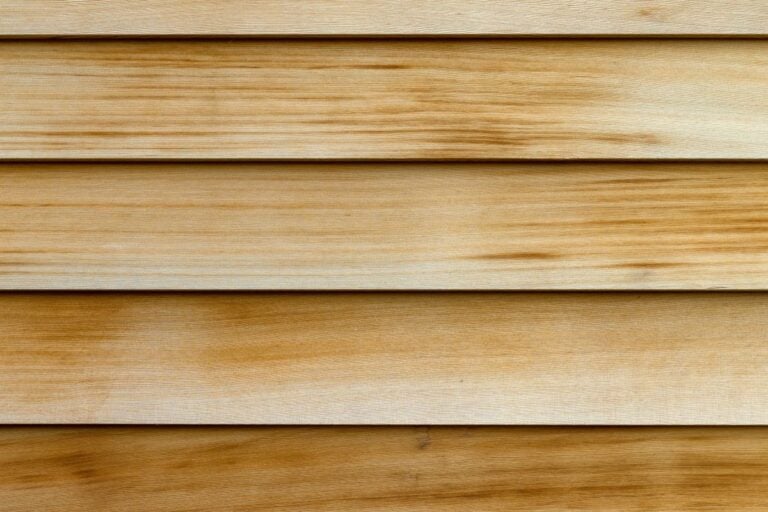
Smooth panels create a clean, contemporary look, while wood grain textures add warmth and mimic the appearance of traditional cedar siding without the ongoing maintenance real wood requires. Board and batten profiles bring vertical lines and a farmhouse feel that pairs well with many home styles found across the region.
Coordinating with Trim and Accents
Choosing trim, fascia, and soffit colors that complement the main siding color pulls the whole exterior together into one cohesive design. A well-coordinated color palette often makes a bigger visual impact on curb appeal than the siding material itself, especially when viewed from the street or a neighbor’s yard.
Homeowners who take time to review physical samples on their own home, rather than relying on small color swatches alone, tend to be much happier with the finished result once installation is complete and the sun hits the new siding at different times of day.
Hardie Board Compared to Vinyl and Wood Siding
Hardie board is one of several common siding materials homeowners weigh when planning an exterior update, alongside vinyl and traditional wood siding. Each material carries its own balance of cost, durability, and long-term value worth considering, and looking at day-to-day upkeep helps round out the full picture beyond just the price tag. Hardie board is built to withstand snow, rain, hail, and humidity, and cleaning it typically takes just a simple rinse with a hose, while wood siding often needs annual washing to remove built-up dust and grime.
| Feature | Hardie Board | Vinyl | Wood |
| Upfront Cost | Higher | Lower | Moderate |
| Durability | Very high | Moderate | Lower without upkeep |
| Maintenance | Low | Very low | High |
| Impact on Resale Value | Strong | Moderate | Variable |
Looking at this comparison, Hardie board tends to appeal most to homeowners planning to stay in their home long term and wanting to maximize resale value, while vinyl remains attractive for buyers prioritizing the lowest upfront cost. Wood still has a following among homeowners who want an authentic natural look and are willing to commit to the ongoing maintenance it requires. Many homeowners in Bloomington weighing these tradeoffs ultimately choose Hardie board once they factor in how much time and money it saves on upkeep over the years.
Get Started on Your Hardie Board Siding Project
Hardie board siding offers a rare combination of durability, style, and long-term value that makes it one of the strongest investments a homeowner can make in their exterior. Weighing the cost factors above alongside color and finish options helps ensure the finished project delivers both the look and the performance a household expects for decades to come.
Puetz Construction has helped many homeowners throughout Bloomington and surrounding areas discover and install long lasting Hardie board siding that fits their home’s style, budget, and long-term goals. If Hardie board siding sounds like the right choice for your home, contact us today to discuss color options, product lines, and get a clear estimate for your project.
Fresh From our Blog