

How to Winterize Your Home: 10 Projects That Pay Off
Written By: Puetz Construction | October 19, 2026 | 8 Minute Read

Every fall, Minnesota homeowners face the same question: what can I do now to keep my family warm and my heating bills in check? Learning how to winterize your home starts with a few quick weekend tasks, then moves to the bigger upgrades that make the most difference on your bill. For homeowners in Red Wing and surrounding areas, a smart plan means fewer drafts, lower energy costs, and less winter damage. From simple caulking to upgrades that seal out the cold for good, this checklist covers it all.
Your winter savings checklist at a glance:
- Why fall prep pays off all season
- Five quick homeowner steps and five pro projects that cut heating bills
- How to find and fix drafty windows
- A simple timeline for planning your projects
- Answers to common winterizing questions

Why Winter Prep Is One of the Smartest Investments You Can Make
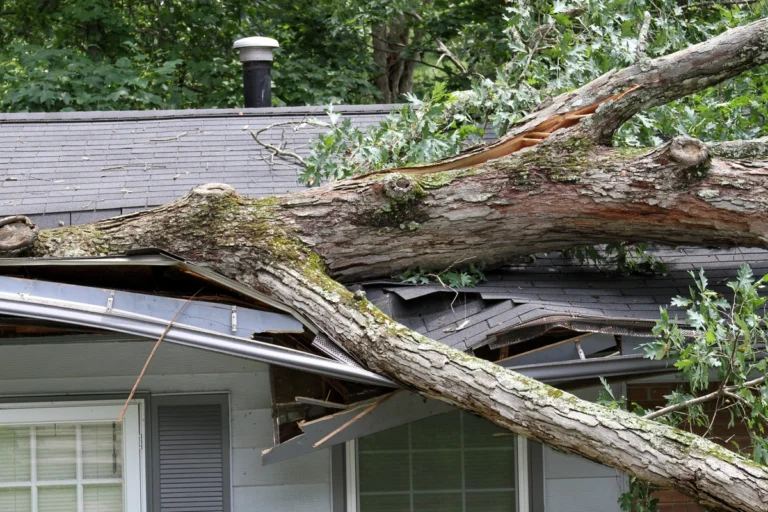
Heating is the largest energy expense in most Minnesota homes, and every gap, leak, and worn seal makes your heating system burn more fuel. A few hours of prep before winter begins can prevent frozen water pipes, ice dams, costly repairs, and months of inflated energy bills. Many trusted home improvement guides recommend building a seasonal winter preparation checklist so nothing slips through the cracks before the first hard freeze.
- Lower heating bills: ENERGY STAR estimates that sealing air leaks and adding insulation can save homeowners an average of 15 percent on heating and cooling costs.
- More even comfort: Fewer drafts make it easier to maintain a steady indoor temperature.
- Less winter damage: Prep work helps prevent burst pipes, ice dams, and moisture problems once freezing temperatures arrive.
- Longer equipment life: A furnace that runs less often tends to need fewer repairs.
The best results come from combining quick fixes with targeted long-term upgrades. The checklist below starts with what you can handle yourself, then moves to the projects that truly move the needle.
10 Projects to Winterize Your Home, From Quick Fixes to Big Savings
The first five projects are easy, low-cost tasks most homeowners can tackle in a weekend. The last five are professional upgrades that deliver the biggest, longest-lasting winter savings.
1. Caulk and Weatherstrip Small Gaps
Small cracks around trim, outlets, and baseboards add up to a surprising amount of air leakage. Fresh caulk and foam outlet gaskets are inexpensive and take only an afternoon.
- Seal gaps where trim meets walls and floors
- Add foam gaskets behind exterior wall outlet covers
- Apply weather stripping and replace cracked caulk around doors and windows
2. Service Your Furnace
Replace the furnace filter and schedule a professional tune-up of your HVAC system before heating season begins. A clean, well-adjusted furnace or boiler runs more efficiently and is less likely to fail on the coldest night of the year.
- Have the chimney inspected before your first fire of the season
- Test smoke detectors and carbon monoxide detectors
- Clear vents and registers so warm air can circulate
3. Set Up a Programmable or Smart Thermostat
According to the U.S. Department of Energy, turning your thermostat back 7 to 10 degrees for eight hours a day can save up to 10 percent a year on heating and cooling. A programmable or smart thermostat makes that automatic.
4. Protect Pipes and Outdoor Faucets
Disconnect garden hoses, shut off and drain outdoor spigots, blow out your sprinkler system, and wrap pipes that run through unheated spaces like crawl spaces, basements, and garages. Insulating the first few feet of pipe at your water heater also reduces heat loss. These simple steps protect your plumbing system from one of the costliest winter emergencies.
5. Reverse Ceiling Fans and Clean Gutters
Set ceiling fans to spin clockwise on low to push warm air down from the ceiling. While you are at it, keep gutters clear of leaves and other debris so melting snow can drain instead of refreezing along the roof edge.

6. Replace Drafty, Inefficient Windows
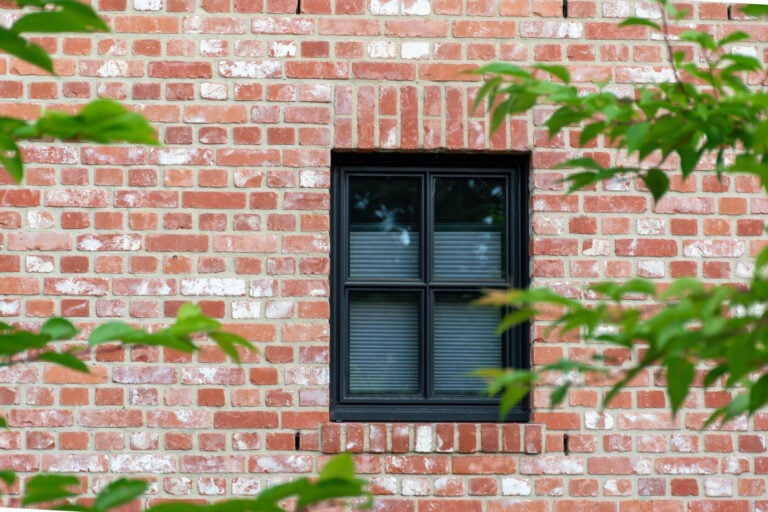
Old windows are one of the biggest sources of heat loss in a home. Modern energy efficient windows use low-E coatings, gas fills, and tight seals to keep heat inside, and triple pane windows offer even more comfort in the coldest rooms.
7. Add a Storm Door
A storm door creates an insulating air pocket in front of your main entry door and shields it from snow and ice. It is an affordable upgrade that also refreshes your curb appeal. Learn more in our storm door guide.
8. Upgrade Worn Entry and Patio Doors
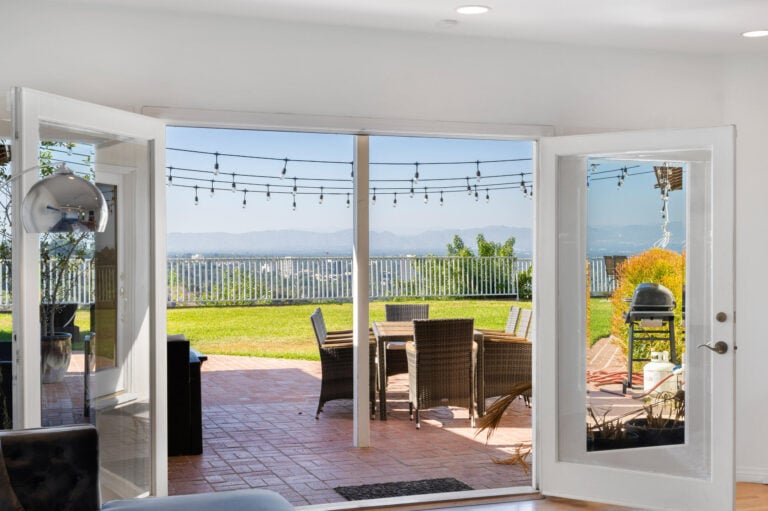
Warped, poorly sealed, or hollow exterior doors leak heat every time the wind blows. A new insulated entry or patio door with modern weatherstripping can eliminate a major draft source.
9. Air Seal and Insulate the Attic
Warm air rises and escapes through gaps around attic hatches, light fixtures, and plumbing penetrations. Professional air sealing followed by added insulation keeps that heat in your living space.
- Seal gaps before adding insulation
- Insulate and weatherstrip the attic hatch
- Check that bathroom fans vent outdoors, not into the attic
10. Inspect Your Roof and Attic Ventilation
Heat escaping into the attic melts snow on the roof, which refreezes at the eaves and forms ice dams. A roof inspection and proper ventilation protect your shingles, gutters, and ceilings from winter weather damage and expensive repairs.
Working through this list in order lets you capture easy savings right away while planning the bigger projects. Of all the professional upgrades, windows are often where homeowners feel the biggest comfort difference.
Drafty Windows: How to Find the Leaks and Fix Them
Drafty windows are one of the most common winter complaints we hear from homeowners. The good news is that you can often pinpoint the problem yourself before deciding on a fix.
Signs Your Windows Are Letting in Cold Air
- You feel a chill standing near closed windows
- Curtains move slightly on windy days
- Frost or ice forms on the inside of the glass
- Sashes rattle, stick, or will not lock tightly
Simple Ways to Test for Drafts
Hold a lit incense stick near the frame on a windy day and watch for smoke that wavers or blows sideways. You can also close a window on a sheet of paper; if it slides out easily, the seal is not tight.
Temporary Fixes vs. Permanent Solutions
Plastic window insulation film, rope caulk, and new weatherstripping can reduce drafts for a season. However, if frames are rotting, seals have failed, or you see fog between the panes, replacement is the more cost-effective long-term answer. If moisture is your main concern, our guide to condensation on windows explains which signs are harmless and which point to a failing window.
Homeowners in Red Wing and surrounding areas often find that replacing just their worst few windows makes a noticeable difference. A professional evaluation can help you decide where to start.
Planning Your Winterizing Timeline
Timing matters when it comes to winter projects. Some tasks are easy to handle any time before the first freeze, while larger upgrades are best scheduled early in the fall before demand and weather become a factor.
| Project | DIY or Pro | Best Time | Impact on Heating Bills |
| Caulking and weatherstripping | DIY | September to November | Moderate |
| Furnace service | Pro | September to October | Moderate |
| Smart thermostat | DIY or Pro | Any time | Moderate to high |
| Pipe and sprinkler system protection | DIY | Before first hard freeze | Prevents costly damage |
| Window replacement | Pro | Late summer to fall | High |
| Storm or entry door | Pro | Fall | Moderate to high |
| Attic air sealing and insulation | Pro | Late summer to fall | High |
| Roof and ventilation inspection | Pro | Early fall | Prevents ice dam damage |
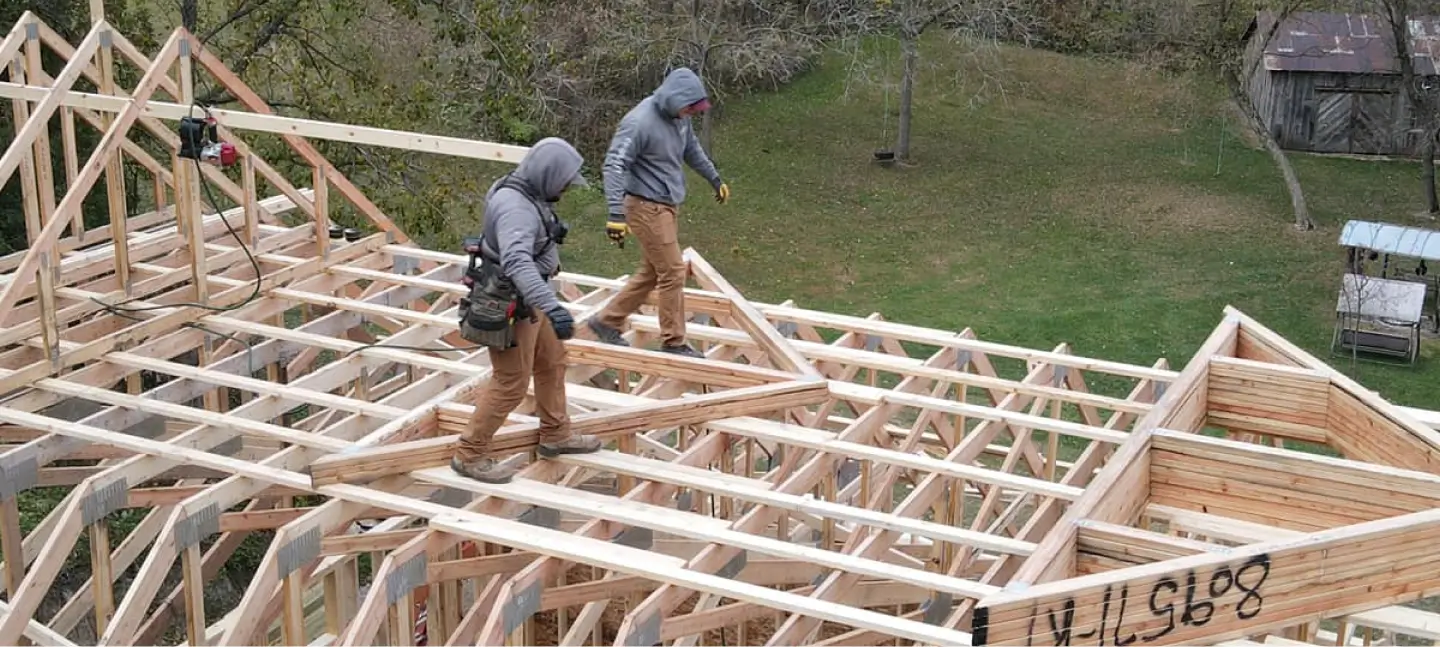
Window and door replacements can be completed in cold weather by experienced crews, but scheduling early gives you more flexibility and lets you enjoy the savings all season. Planning ahead also helps you budget for projects in phases.

Frequently Asked Questions About How to Winterize Your Home
Winterizing can feel like a long to-do list, so it is natural to have questions about where to start. Here are quick answers to the ones we hear most.
When should I start winterizing my home?
Early fall is ideal. Aim to finish outdoor tasks before the first hard freeze and schedule professional projects in late summer or early fall.
Which winterizing project saves the most money?
Air sealing and insulation typically deliver the biggest savings for the cost, followed closely by replacing drafty windows and doors in older homes.
Can windows be replaced in winter?
Yes. Experienced installers replace one window at a time to limit heat loss, so the home stays comfortable during the project.
Is window film worth it for drafty windows?
It can help as a short-term fix for a season, but it does not solve worn seals, rotting frames, or failed glass units.
Do I need a professional to winterize my home?
Many quick tasks are easy to do yourself and help you save money right away. Furnace service, window and door replacement, attic insulation, and roof inspections are best left to professionals.
If you are not sure where your home is losing the most heat, a professional assessment can point you in the right direction. Knowing where to focus helps you spend your budget wisely.
Lock In Your Winter Savings This Season
Winterizing your home protects your comfort, your budget, and your property from the toughest months of the year. Quick fixes help right away, while upgrades to windows, doors, and insulation deliver savings for years to come. Puetz Construction helps homeowners in Red Wing and surrounding areas tackle the projects that make the biggest difference before the cold sets in. To start planning your winter upgrades, contact us today.
Fresh From our Blog