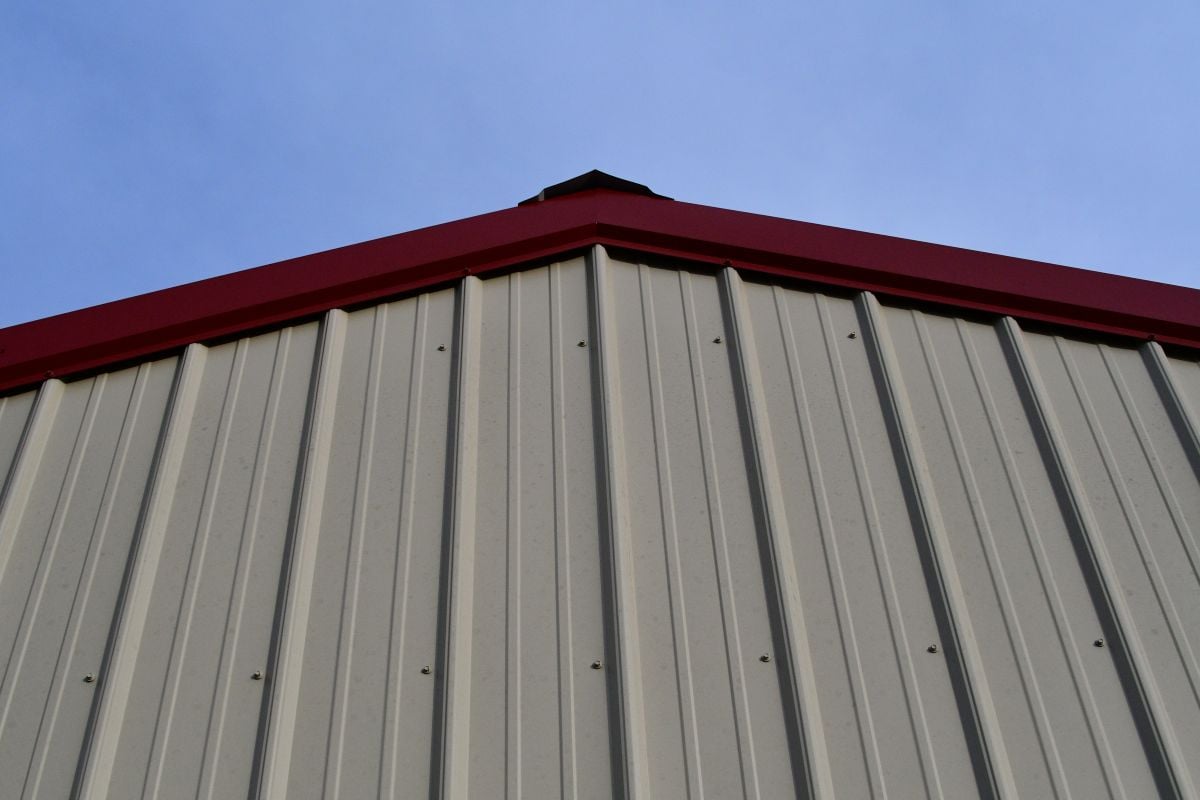
Metal Siding: 5 Benefits, Cost, Installation and Durability
Written By: Justin Puetz | June 12, 2026 | 8 Minute Read

Your home’s exterior is the first thing neighbors and visitors notice, and curb appeal starts with the material covering it doing far more than looking good. Metal siding has become one of the most talked-about choices among homeowners who want a long-lasting, low-maintenance solution that holds up against harsh weather. If you’re already exploring ways to protect and enhance your home’s exterior, understanding what metal siding brings to the table is a smart place to start.
What you’ll learn:
- The key benefits that make metal siding worth considering
- A breakdown of the five most important advantages, from durability to cost
- How installation works and what to expect from the process
- How metal compares to other popular siding materials
- How to evaluate whether metal siding is right for your home
Why Metal Siding Deserves a Closer Look
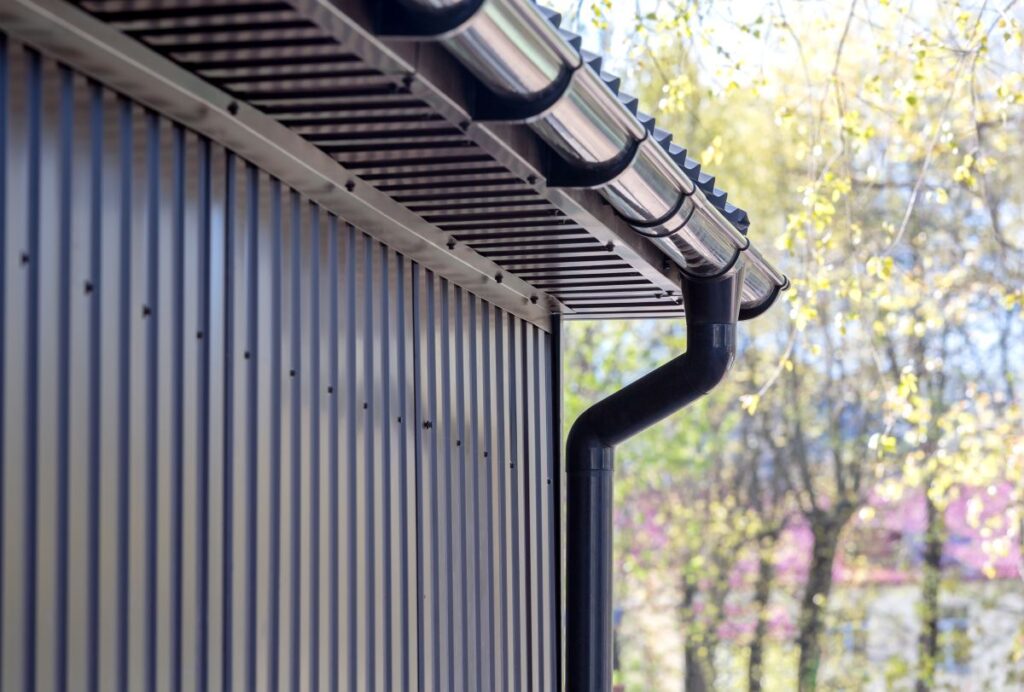
Homeowners in Rochester and surrounding areas are facing more extreme weather swings than ever, and that pressure falls directly on the building envelope. Siding is your home’s primary shield against wind, rain, snow, and temperature fluctuations, so choosing the wrong material can lead to costly repairs down the road. Metal siding has moved well beyond its industrial roots and is now a practical, attractive option for residential homes across a wide range of architectural styles.
The benefits of metal siding go beyond aesthetics:
- Weather resistance: Metal panels are engineered to handle freeze-thaw cycles, high winds, and heavy precipitation without warping or cracking.
- Fire resistance: Steel and aluminum siding carry high fire ratings, adding a meaningful layer of protection for your home and family.
- Low maintenance: Unlike wood, metal does not rot, swell, or attract insects, which means fewer repairs and lower long-term upkeep costs.
- Longevity: Properly installed metal siding can last 40 to 70 years, far outlasting many competing materials.
When you factor in both the protective qualities and the reduced maintenance burden, metal siding consistently delivers strong value over its lifespan. That combination is why so many homeowners are giving it serious consideration during renovation planning.
5 Key Benefits, Costs, and Installation Facts
Breaking down what metal siding offers gives you a clearer picture of whether it aligns with your goals, budget, and timeline. Here are the five factors that matter most.
1. Exceptional Durability
Metal siding, particularly steel, ranks among the most durable exterior cladding options available. It resists impact from hail, debris, and the kind of physical stress that cracks vinyl or chips fiber cement. Steel siding typically carries impact resistance ratings that make it well-suited for areas prone to severe storms. Aluminum is slightly less rigid but holds up extremely well in coastal or high-moisture environments because it does not rust.
- Steel siding can withstand winds exceeding 110 mph when properly installed
- Aluminum resists corrosion and is ideal in high-humidity climates
- Both materials maintain their structural integrity across temperature extremes
2. Long Lifespan and Return on Investment
One of the most compelling arguments for metal siding is how long it lasts. Most manufacturers back their products with warranties ranging from 30 to 50 years, and actual performance often exceeds those figures. When you spread the upfront cost over decades of use, metal siding frequently offers a lower cost per year than options that need replacing every 15 to 20 years.
- Steel and aluminum siding outlast vinyl and wood in most climates
- Reduced frequency of replacement lowers lifetime ownership costs
- Strong resale value appeal for buyers who recognize the material’s quality
3. Low Maintenance Requirements
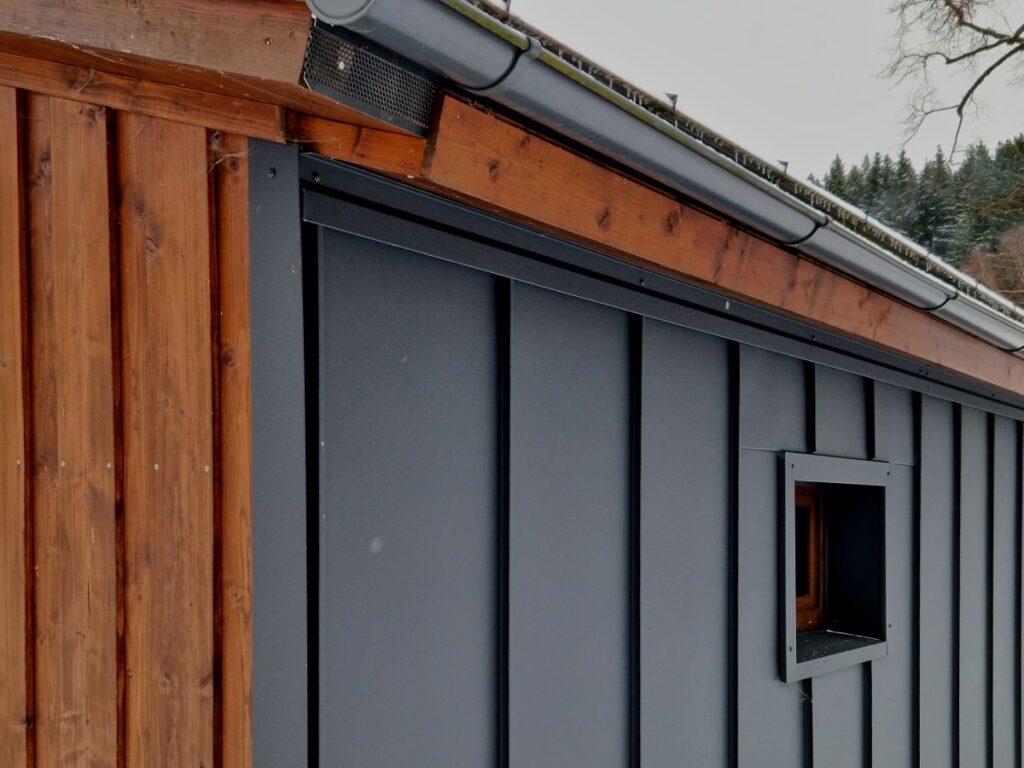
Homeowners who dread annual painting schedules and seasonal touch-ups tend to find metal siding a genuine relief. Factory-applied coatings bond directly to the metal substrate and resist fading, chalking, and peeling far better than field-applied paints on other materials. Occasional rinsing with a garden hose is typically all that is needed to keep panels looking sharp.
- No painting required for most of the product’s lifespan
- Resistant to mold, mildew, and insect damage
- Minor dents can often be repaired without replacing entire panels
4. Energy Efficiency Potential
Metal siding on its own is not a strong insulator, but many products are manufactured with factory-attached foam insulation backing. This insulated metal siding can significantly improve your home’s thermal performance, reducing heating and cooling loads. In a climate like Rochester and surrounding areas, where winters are long and energy bills can spike, every improvement to the building envelope counts.
- Insulated metal panels can add R-3 to R-6 per inch of foam backing
- Reduced thermal bridging compared to non-insulated alternatives
- Pairs well with additional wall insulation for a comprehensive energy strategy
5. Fire Resistance
Both steel and aluminum are non-combustible, meaning they will not ignite or contribute fuel to a fire. This characteristic can influence homeowner’s insurance premiums and is particularly relevant for homes near wooded areas or in regions with wildfire risk. Many building codes in commercial and multi-unit construction already require non-combustible cladding, and residential buyers are increasingly drawn to the same protection.
- Steel and aluminum carry Class A fire ratings
- Non-combustible materials slow the spread of fire across a structure
- May qualify for insurance discounts depending on your provider
Taking all five of these factors together, metal siding stands out as one of the most well-rounded cladding options on the market. The combination of durability, low maintenance, fire resistance, and energy efficiency makes it a strong candidate for most residential applications.
Understanding Installation Costs
Cost is often the first question homeowners ask, and metal siding pricing depends on several variables. Having a clear sense of what drives cost helps you plan a realistic budget and evaluate contractor quotes more confidently.
Material Costs
Aluminum siding typically runs between $3 and $6 per square foot for the material alone. Steel siding, which offers greater rigidity and impact resistance, generally falls between $4 and $8 per square foot. Insulated panels with foam backing sit at the higher end of those ranges. Premium profiles or custom colors can push costs higher, while standard horizontal lap panels tend to be more affordable.
Labor and Installation Considerations
Professional installation adds $3 to $5 per square foot on average, depending on the complexity of the project. Homes with multiple stories, intricate trim work, or significant substrate repair needs will see higher labor costs. In Rochester and surrounding areas, contractors may factor in seasonal scheduling, since cooler temperatures affect caulking and sealing materials during installation.
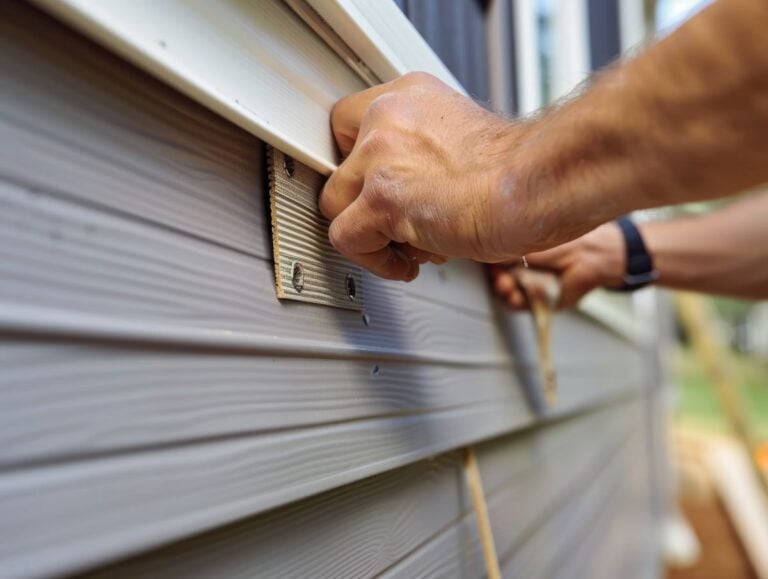
- Proper fastening is critical: metal panels must allow for thermal expansion
- Flashing around windows, doors, and penetrations requires careful detailing
- Substrate condition affects final cost; rotted sheathing must be replaced before new siding goes up
Total Project Estimates
For a typical 1,500-square-foot home, total installed costs for metal siding often fall between $10,000 and $20,000. That range reflects differences in material choice, labor rates, and project complexity. While that figure is higher than vinyl siding upfront, the extended lifespan and reduced maintenance costs frequently make it a more economical choice when evaluated over 30 or more years.
Understanding these cost drivers puts you in a better position to compare bids and make a confident decision. Getting multiple quotes from experienced contractors is always a wise step before committing to a project of this scale.
How Metal Siding Compares to Other Options
Choosing an exterior material means weighing trade-offs across several dimensions. A side-by-side look helps clarify where metal siding excels and where other materials might be worth considering.
| Material | Lifespan | Maintenance | Fire Resistance | Cost per Sq Ft (Installed) |
| Steel Siding | 40-70 years | Low | Class A | $7-$13 |
| Aluminum Siding | 30-50 years | Low | Class A | $6-$11 |
| Vinyl Siding | 20-40 years | Very Low | Poor | $4-$8 |
| Wood Siding | 20-40 years | High | Poor | $8-$14 |
| Fiber Cement | 25-40 years | Medium | Class A | $7-$13 |
Vinyl siding costs less upfront and requires minimal maintenance, but it can crack in extreme cold and fades over time. Wood offers unmatched natural beauty but demands consistent upkeep and is vulnerable to moisture, insects, and fire. Fiber cement shares many of metal’s strengths but requires periodic repainting and is heavier, which can complicate installation.
Metal’s combination of fire resistance, longevity, and low maintenance puts it in a strong position for homeowners in Rochester and surrounding areas who want a cladding solution that performs well across all categories. The right choice ultimately depends on your budget, aesthetic preferences, and how long you plan to stay in the home.
Let’s Get Your Home Looking (and Lasting) Its Best
Your home deserves an exterior that protects it for decades while keeping maintenance demands manageable. Metal siding delivers on both fronts, offering outstanding durability, strong weather resistance, and the kind of long-term value that makes the investment worthwhile. Whether you are replacing aging siding or building new, it is a material worth serious consideration.
Puetz Construction works with homeowners throughout Rochester and surrounding areas to evaluate exterior options, plan projects carefully, and deliver results that hold up for the long haul. If metal siding sounds like the right fit for your home, we are here to help you move forward with confidence. Contact us today to schedule a consultation and get started.
Fresh From our Blog